Thailand’s rich cultural heritage and stunning architecture draw millions of visitors each year, eager to experience the country’s most iconic sites. From glittering temples to ancient ruins, these landmarks tell the story of a nation steeped in tradition and beauty.
Whether you’re planning your first visit or returning to explore more, knowing how to navigate these famous destinations will help you make the most of your journey.
Planning Your Temple Visits
The key to visiting Thailand’s most famous landmarks like temples is understanding their cultural significance and respecting local customs. Most temples require visitors to dress modestly, covering shoulders and knees, and to remove shoes before entering sacred spaces. Arriving early in the morning not only helps you beat the crowds but also allows you to experience these sites during cooler hours and witness morning rituals.
Consider purchasing combination tickets when available, as many temple complexes offer better value for multiple attractions. Bangkok’s Grand Palace, for instance, includes access to several buildings and the renowned Temple of the Emerald Buddha within its walls.
Hiring a knowledgeable local guide can dramatically enhance your experience, providing historical context and stories that bring these ancient structures to life.
The Grand Palace and Wat Phra Kaew
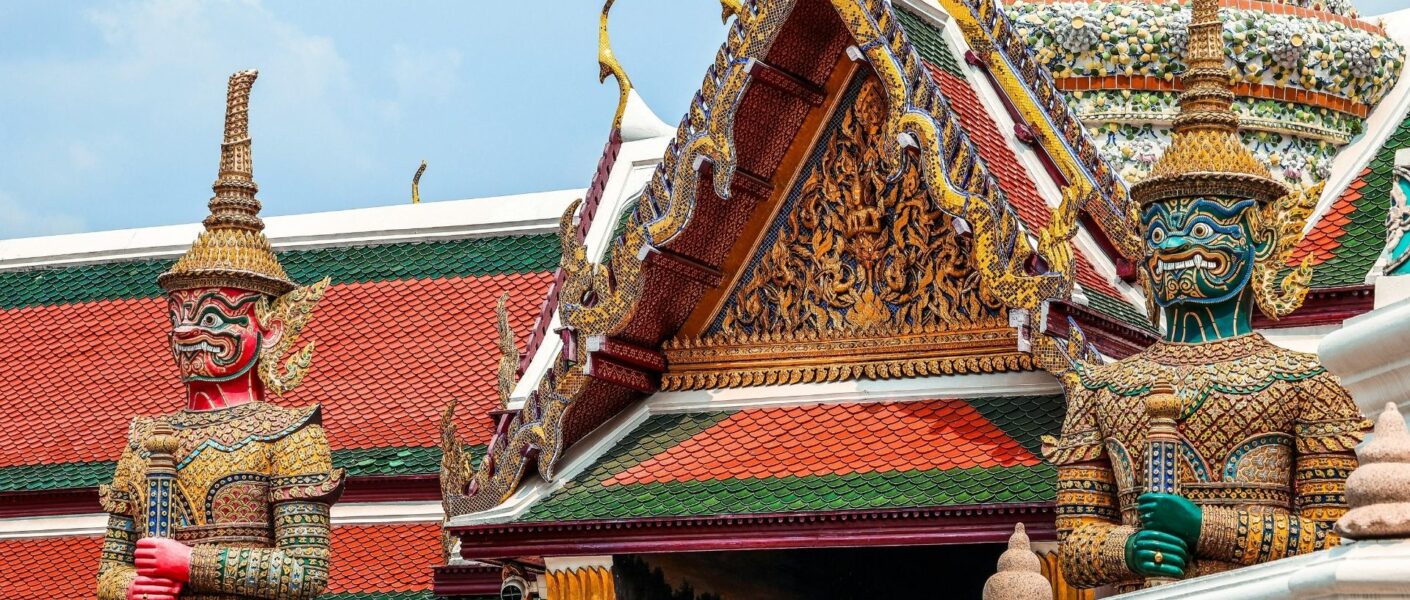
No visit to Thailand’s most famous landmarks is complete without experiencing Bangkok’s Grand Palace, the country’s most visited landmark. This sprawling complex served as the official residence of Thai kings for 150 years and remains a symbol of the nation’s spiritual and cultural identity. The intricate details of its golden spires and ornate decorations showcase the finest examples of Thai craftsmanship.
Within the palace grounds, Wat Phra Kaew houses the Emerald Buddha, Thailand’s most sacred religious object. The small jade statue, despite its modest size, holds immense spiritual significance for Thai people. Plan to spend at least two to three hours exploring the complex thoroughly, and remember that it closes for royal ceremonies, so check ahead before visiting.
Exploring Ancient Ayutthaya
Just 80 kilometers north of Bangkok lies Ayutthaya, the former capital of the Kingdom of Siam. This UNESCO World Heritage Site features hundreds of temples and ruins spread across an island formed by converging rivers. The haunting beauty of weathered Buddha statues and crumbling prangs creates an atmosphere that transports visitors back centuries.
Renting a bicycle is one of the best ways to explore Ayutthaya’s archaeological park, allowing you to cover significant ground while enjoying the riverside scenery. Don’t miss Wat Mahathat, famous for the Buddha head entwined in tree roots, or Wat Chaiwatthanaram, whose Khmer style architecture looks particularly stunning at sunset.
Many Thailand luxury trips include private tours of Ayutthaya with expert historians who can reveal the fascinating stories behind each ruin.

Discovering Wat Arun’s Riverside Majesty
Wat Arun, the Temple of Dawn, stands magnificently on the western bank of the Chao Phraya River. Its central prang, decorated with colorful porcelain and seashells, represents Mount Meru from Buddhist cosmology. Climbing the steep steps of the main tower rewards visitors with panoramic views of Bangkok’s skyline and the winding river below.
The temple is particularly photogenic during golden hour, when the setting sun illuminates its intricate decorations. Consider visiting both at sunset and returning after dark when the temple is beautifully illuminated. The short ferry ride across the river to reach Wat Arun adds to the adventure and offers excellent photo opportunities from the water.
Venturing to Northern Thailand’s Treasures
Chiang Mai’s Doi Suthep temple perches high on a mountain overlooking the city, requiring a climb of 300 steps or a cable car ride to reach. The golden chedi and sweeping city views make the journey worthwhile. The temple remains an active place of worship, and visitors can observe monks going about their daily routines.
Further north, the White Temple in Chiang Rai presents a contemporary interpretation of traditional Thai architecture. Artist Chalermchai Kositpipat created this unconventional temple as a tribute to King Rama IX, incorporating modern elements and symbolism into Buddhist teachings. Its pure white exterior and mirror-adorned details create an otherworldly appearance unlike any other temple in Thailand.
Making the Most of Your Landmark Tour
Success in visiting Thailand’s most famous landmarks comes down to preparation and respect. Research opening hours, dress codes, and any special events that might affect access. Staying hydrated and taking breaks prevents exhaustion, especially when exploring outdoor sites in tropical heat.
Consider the rhythm of your itinerary, mixing major attractions with quieter moments to avoid cultural fatigue. Thailand’s famous landmarks offer more than photo opportunities; they provide windows into the soul of a nation that has preserved its heritage while embracing modernity. Take time to sit, observe, and absorb the spiritual atmosphere that makes these places truly special.