Painting small numbered sections demands focus and steady hands, especially in paint-by-numbers art, so brush techniques matter. Each stroke matters, and the right brush technique can turn uneven patches into smooth, neat finishes. Learning how to control the brush in tight spaces helps create clean lines and even colour without paint spilling into nearby areas.
This guide explores simple methods to manage those tricky parts with more accuracy and control. It outlines clear, practical brush techniques that make even the smallest numbered areas easy to handle and more enjoyable to complete.
1. Use fine-tipped brushes for precision in tiny numbered sections
Fine-tipped brushes give better control over detail work. Their small, pointed ends help reach the tight spaces found in many numbered painting kits in UK. This precision reduces overlap between sections and helps the colours stay neat within each outline.
Artists often choose brush sizes 0, 1, or 2 for small areas. These sizes allow smooth strokes without flooding the lines with too much paint. A brush with a sharp tip keeps edges clean while maintaining a consistent finish across the canvas.
Before starting, it helps to test the brush on scrap paper. This step shows how much paint the bristles hold and how finely the tip can move. A light hand works best on small spaces, as too much pressure may spread paint outside the numbered area.
Regular cleaning between colours keeps the brush sharp and avoids muddy tones. With careful use, fine-tipped brushes bring clarity and precision to even the smallest painted sections.
2. Apply light, controlled strokes to avoid paint overflow
Fine details in small numbered sections need a steady hand and even pressure. The painter should load the brush with only a small amount of paint. Too much paint leads to blotches or overflow across the edges. A light touch gives better control and keeps lines clear.
The wrist should guide the brush in short, deliberate strokes. This approach prevents sudden drops of paint and helps maintain a smooth finish. Slow, careful motions help the brush follow tight outlines without pressing colour into unwanted areas.
It also helps to hold the brush closer to the bristles, similar to holding a pencil. This grip improves precision and reduces excess movement. Each stroke should transfer only as much paint as the surface can take, avoiding buildup that can cause uneven texture or drying marks.
With patience and measured strokes, painters can create neat sections that stay within their borders and look clean once dry.
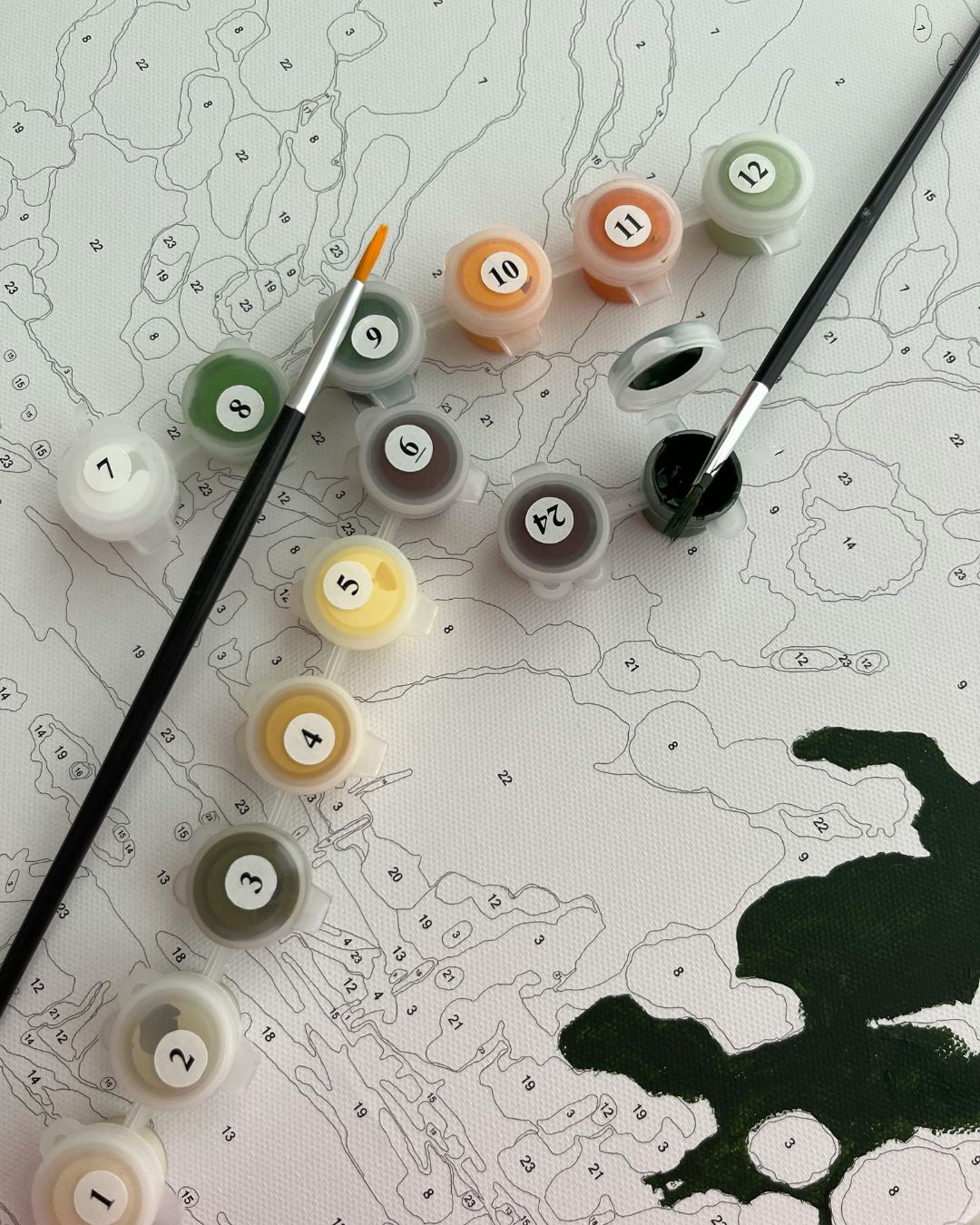
3. Keep brushes clean between colour changes to maintain sharp lines
Clean brushes between colour changes help prevent muddy edges and unwanted blending. A clear rinse with water or the right solvent removes leftover pigment before another colour touches the surface. This step keeps each section precise and makes the overall design look neat.
Painters often use two containers for rinsing. The first removes most of the paint, and the second gives a final clean. Wiping the brush on a cloth or paper towel helps remove excess moisture so the next colour spreads evenly.
Neglecting this step can cause colours to mix on the brush instead of the surface, which dulls detail. Regular cleaning keeps the bristles flexible and maintains the brush’s shape. With practice, this habit saves time and reduces mistakes during fine work on small numbered sections.
4. Use a slightly damp brush for smoother blending in small areas
A slightly damp brush helps create softer transitions where colours meet. The moisture loosens the paint just enough to glide across the surface without leaving harsh edges. It also reduces streaks that can appear when a brush feels too dry.
To use this method, the painter should dip the brush in clean water, then gently blot it on a paper towel. The bristles should feel cool and moist, not wet. Too much water can thin the paint and cause it to run, so balance matters.
This technique works especially well for small numbered sections. It gives more control over how the paint spreads and mixes. As a result, colours merge smoothly without muddying the area. It also allows for gentle corrections, since slightly damp bristles can lift or soften paint with light pressure.
5. Work from the edges inward to maintain section boundaries
Brush techniques and starting at the edges helps create clean borders between numbered areas. By defining the outline first, the painter keeps colours separated and prevents overlap. It also makes it easier to see where one section ends before filling in the middle.
An angled brush works well for cutting into edges with steady control. Short, careful strokes help the paint meet the section line without crossing it. This careful outline acts as a barrier and keeps the rest of the work neat.
After the boundary is set, paint the inner area in smooth, even strokes. Working inward keeps wet paint contained within the section, so colours stay true and balanced. For small or tight spaces, a fine-tip brush provides better reach and accuracy.
Each section should be finished before moving to the next. This method keeps the paint texture consistent and avoids uneven edges. It also helps the entire piece look neat and well organised.
Conclusion
A steady hand and the right brush method help painters manage even the smallest numbered sections. Precise strokes with a fine-tipped brush keep colours neat and avoid bleeding across lines. This attention to edges allows each area to stay clear and tidy.
Layering with light coats helps hide printed numbers without building uneven paint texture. Artists who let each coat dry before adding another create smoother finishes. In addition, consistent direction in brush strokes gives the surface a uniform look.
Regular practice in brush techniques improves confidence and accuracy. By slowing down and focusing on one section at a time, anyone can gain control and create cleaner results. Each small improvement adds up to sharper details and a more balanced painting.
These techniques make detailed areas less stressful. With patience, careful planning, and steady motion, painters develop better control of both brush and colour placement.