We’ve all experienced that immediate sense of joy when stepping into a room filled with fresh summer flowers. It’s not just their vibrant colours and delicate fragrances that captivate us, there’s real science behind it. Flowers can boost serotonin levels, helping to elevate our mood and reduce stress.
Beyond their beauty, summer blooms encourage mindfulness, promote relaxation, and create a soothing atmosphere that uplifts emotional well-being. Simply put, flowers are natural, powerful mood enhancers.
The Natural Power of Summer Blooms
Humans have an innate connection to nature – something psychologists call biophilia. This deep-rooted bond explains why we’re naturally drawn to flowers and why they have such a profound effect on our mental state.
Research from environmental psychology shows that simply being around summer flowers can trigger positive emotional responses, reduce stress, and even improve cognitive function. So let’s explore how you can harness the psychological power of these natural mood-boosters, with practical advice on bringing summer blooms into your life.
The Emotional Impact of Fresh Blooms
Humans have an innate connection to nature, something psychologists call biophilia. This deep-rooted bond explains why we’re naturally drawn to flowers and why they have such a profound effect on our mental state.
Research from environmental psychology shows that simply being around summer flowers can trigger positive emotional responses, reduce stress, and even improve cognitive function. So let’s explore how you can harness the psychological power of these natural mood-boosters, with practical advice on bringing summer blooms into your life.
In the UK, seasonal flowers hold cultural and emotional significance beyond their decorative use. Their short yet vibrant blooming period reminds us to slow down and appreciate fleeting beauty. With longer daylight hours and milder weather, summer becomes the ideal time to reconnect with nature, whether you’re strolling through a community garden or tending a backyard plot.
Many people turn to bold, locally grown arrangements of summer flowers uk during these months, not only for visual pleasure but also for their scientifically supported mood-enhancing effects. Their freshness, strong scent profiles, and visual richness contribute to stronger emotional benefits, making them a staple for enhancing mental wellbeing in homes and public spaces alike.
How Colour Influences Mood
Different flower colours trigger distinct emotional responses. Bright yellows and oranges (think sunflowers and marigolds) stimulate energy and optimism, while blues and purples (like lavender and hydrangeas) promote tranquillity.
The Sensory Experience Beyond Visual Beauty
The multi-sensory experience of flowers, their scent, texture, and even the sound of rustling petals creates a complete sensory package that draws us fully into the present moment.
Now that we understand these deep connections, let’s delve into the fascinating science that explains exactly why these summer blooms have such powerful effects on our brains and emotional well-being.
Unexpected Psychological Benefits of Keeping Summer Flowers Nearby
Psychological benefits |
How it helps you |
Interesting facts |
Enhanced social connections |
Flowers make people appear more approachable and friendly. |
Studies show homes with flowers are seen as more welcoming. |
Increased creativity |
Exposure to natural beauty stimulates creative thinking. |
Artists often use gardens and floral settings for inspiration. |
Reduced decision fatigue |
Calming environments with flowers improve focus and mental clarity. |
Fresh flowers in workspaces reduce cognitive overload. |
Faster healing and recovery |
Hospital patients with flowers report less pain and quicker recovery. |
Flowers are often placed in rehabilitation centres for this reason. |
Boosted gratitude and mindfulness |
Daily interaction with flowers encourages appreciation and present-moment awareness. |
Gratitude journals often recommend adding fresh flower observations. |
How Summer Flowers Transform Your Brain
Summer flowers do more than just look pretty; they change our brain chemistry in measurable ways. When you experience the sight and scent of flowers, your brain releases dopamine and serotonin, neurotransmitters associated with pleasure and well-being.
The Chemistry of Happiness and Flowers
Research from Harvard University has shown that people feel more compassionate toward others, have less worry and anxiety, and feel less depressed when flowers are present in their home.
Fragrance and Memory
The scent molecules from summer flowers travel directly to our limbic system, the brain’s emotional centre. This explains why certain floral scents can instantly transport us back to specific memories or emotional states.
Colour Psychology
Our visual processing centres respond strongly to the vibrant colours of summer blooms. Yellow flowers like daffodils have been shown to activate the parts of our brain associated with happiness and optimism.
With this scientific foundation established, let’s examine the specific summer flowers that research shows deliver the strongest mood-enhancing benefits and how each variety affects our emotional state in unique ways.
Top Mood-Boosting Summer Flowers for Instant Happiness
Not all flowers are created equal when it comes to emotional benefits. These standout summer bloomers pack the biggest punch for mental wellbeing:
Sunflowers: Nature’s Smile
These towering yellow beauties trigger the release of dopamine, the ‘feel-good’ neurotransmitter. Their open faces and sun-tracking behaviour (called heliotropism) symbolise optimism and resilience.
Lavender: The Anxiety Antidote
One of the most powerful mood boosting flowers, lavender, contains linalool, a compound proven to reduce anxiety. Just having it nearby can lower heart rate and promote better sleep quality.
Sweet Peas: Fragrant Joy Bringers
Their delicate scent contains compounds that boost serotonin production, helping to fight depression and promote feelings of well-being. Plus, their range of pretty pastel colours stimulates visual pleasure centres.
Roses: The Universal Mood Lifter
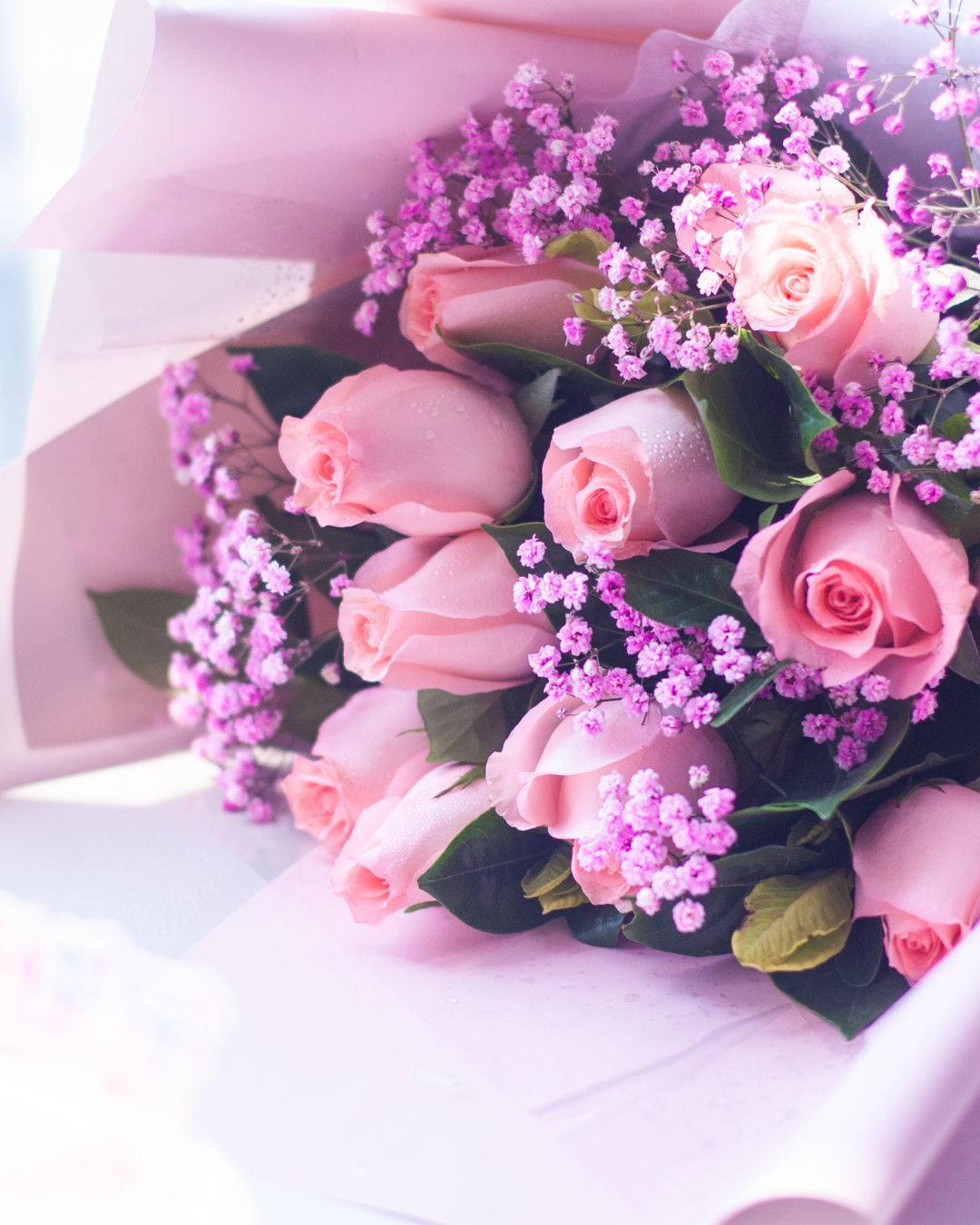
There’s a reason roses are universally beloved, their scent has been shown to lower blood pressure and reduce cortisol (the stress hormone). Roses with stronger fragrances offer the most significant benefits of flowers for emotional well-being.
Dahlias: Visual Complexity for Mindfulness
The intricate patterns of dahlia petals naturally encourage mindfulness as our brains process their complex structures, helping us enter a meditative state of appreciation.
Armed with knowledge about these powerful mood-boosting blooms, it’s time to translate theory into practise by designing your own therapeutic garden space that maximises these emotional benefits.

Creating Your Mood-Enhancing Summer Garden
Designing a garden for emotional wellbeing isn’t just about aesthetics, it’s about creating a multi-sensory experience that nurtures mental health.
Planning for Emotional Impact
Arrange flowers in colour schemes proven to affect mood, blue and purple zones for relaxation, yellow and orange areas for energy and creativity. Consider pathways that encourage mindful walking through fragrant blooms.
Small Space Solutions for Maximum Mood Benefits
You don’t need a large garden to reap the benefits. Window boxes with bee-friendly seasonal flowers like verbena and salvia bring nature close, while container gardens with lavender and geraniums can transform even tiny balconies.
Gardening as Therapy
Gardening for happiness isn’t just about enjoying the result; the process itself is therapeutic. Getting your hands in soil exposes you to beneficial microbes that boost serotonin production, while the physical activity releases endorphins.
While outdoor gardens offer tremendous mood benefits, bringing these summer flowers into your living spaces creates immediate access to their therapeutic effects, regardless of available outdoor space or weather conditions.
Extending Summer’s Emotional Benefits
The uplifting effects of summer flowers needn’t end when the season changes:
Preserving Summer Blooms for Lasting Joy
Dry flowers like lavender and roses to extend their aromatherapeutic benefits. Hang bunches upside-down in a dark, dry place to maintain their colour and scent.
Transitioning to Autumn and Winter
As summer fades, gradually introduce seasonal alternatives that offer similar benefits, think chrysanthemums for autumn and amaryllis for winter.
Planning Next Year’s Garden for Anticipatory Happiness
The act of planning your next summer garden during winter months can itself boost mood through anticipation. Studies show that looking forward to positive experiences increases happiness.
Now that we’ve addressed these practical considerations, let’s bring together the scientific evidence and actionable strategies to incorporate the mood-boosting power of summer flowers into your daily life.
Harnessing the Power of Summer Blooms for Emotional Wellbeing
The evidence is clear that summer flowers do more than beautify our environment; they genuinely improve our mental health and emotional state. By strategically incorporating mood-boosting blooms into both outdoor and indoor spaces, practising mindful gardening for happiness, and appreciating the sensory experience of flowers, you can harness these natural mood enhancers year-round.
Whether it’s a fully designed therapeutic garden or simply a vase of fresh-cut seasonal flowers on your kitchen table, these natural wonders offer an accessible, scientifically-proven way to brighten your mood and enhance wellbeing. So next time you’re feeling low, consider nature’s antidepressant, the humble yet mighty flower. Your mind will thank you.
FAQs
How do flowers boost your mood?
The scent of lavender acts as a stress reliever and promotes calmness in the body. Roses produce the release of oxytocin in the body, being a symbol of love and care. The larger the bouquet, the larger the effect. Just being around flowers positively affects one’s mood.
What can flowers make you feel like?
The act of receiving flowers triggers the release of oxytocin and serotonin, neurotransmitters that promote feelings of gratitude and connection. The soothing scent of flowers lowers cortisol levels, the hormone associated with stress, while their vibrant colours stimulate the brain and improve mood.
What flowers are good for the mood?
Having the right colour flower arrangement at work or home can make you feel much brighter and happier. Choose orange/yellow shades for happiness, such as tulips or dahlias. Combining both orange and yellow can create a calming mood, and adding greens can reflect feelings of peace.