For many eco-travelers in the USA, the idea of exploring the natural world while contributing to its protection is becoming increasingly appealing. As interest in meaningful and impactful travel grows, more people are seeking adventures that offer a deeper sense of purpose and a closer connection to the environment.
This growing mindset is exactly what makes marine conservation trips so exciting. These programs let travelers dive into vibrant reefs, learn hands-on skills like underwater surveys and ocean cleanups, and actively protect precious marine ecosystems.
With daily opportunities to observe corals and wildlife up close, participants experience both adventure and impact, discovering not just new destinations but a renewed sense of purpose in helping our oceans, rivers and lakes thrive.
In this blog post, you will learn the top reasons why eco-travelers find these trips exciting and fun.
What Makes Marine Conservation Trips So Adventurous?
Here are some reasons why eco travelers find marine conservation trips adventurous.
Exotic Reef Locations
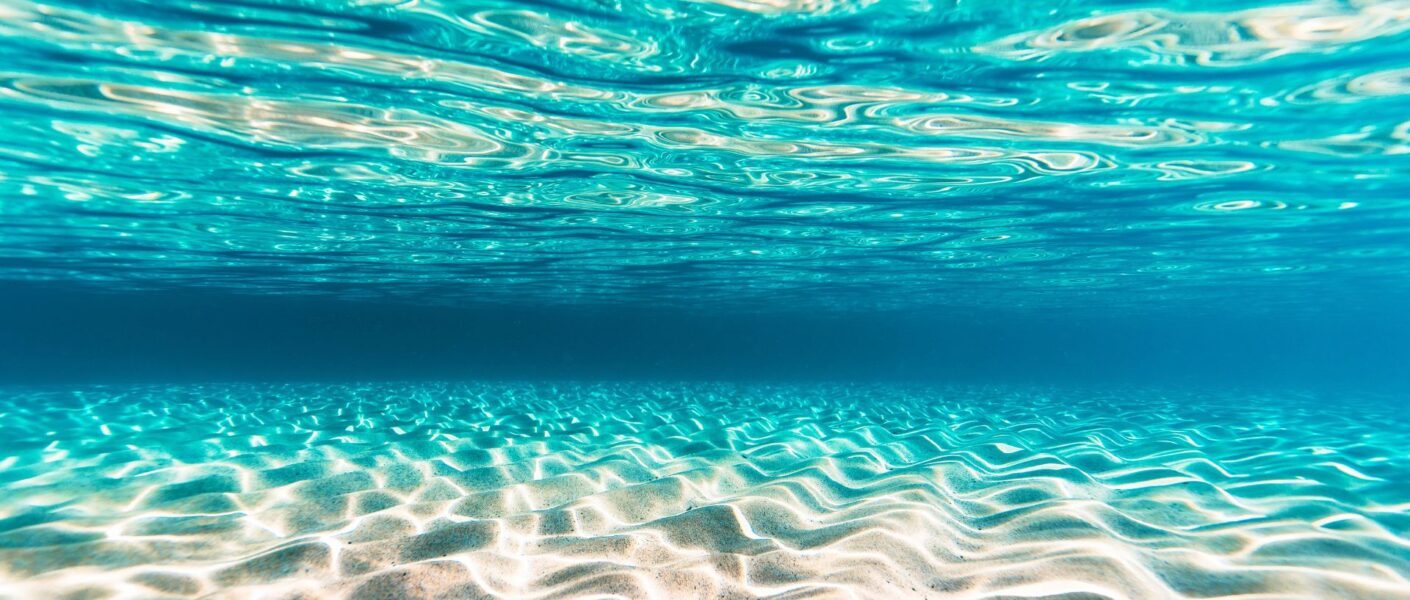
You will visit spots like Belize or the Maldives with rare reefs and clear waters. These places provide unique ocean views that you simply don’t get with regular travel. Programs take you to remote islands where you see thriving marine ecosystems up close. This setup gives access to biodiversity hotspots for real exploration.
Slow Travel Pace
You will join marine conservation trips that offer peaceful island stays and relaxed schedules without daily rushes. You settle into one base for weeks to focus on reefs instead of constant moves. This pace lets you connect deeply with nature and local areas over time.

Dives with Marine Life
Daily dives let you see turtles, sharks, and fish schools up close in vibrant reefs. Guided sessions teach you to spot species while collecting data. You swim through coral gardens and observe ocean life in its habitat each morning.
Island Hikes and Beaches
You explore islands and beaches above water for full access to nature each day. Morning hikes lead to viewpoints over reefs. Afternoons bring beach walks to spot nesting sites. This mix covers land and sea adventures in one trip.
Real Action Over Vacations
These trips offer meaningful wildlife work and impact that go far beyond a standard beach vacation. You remove trash, plant corals, and survey fish instead of just relaxing. Hands-on tasks create purpose and memories beyond photos or lounging.
What Activities Do You Do on Marine Conservation Trips?
On your marine conservation trip, you will take part in hands-on tasks that help reefs and wildlife each day, which show direct impact on ocean ecosystems right away.
- Reef Surveys: You snorkel or dive to count fish, corals, and sea life. Teams record data on slates for scientists to track health changes over time. This work helps spot problems early.
- Coral Planting: You attach healthy coral fragments to damaged reefs using ropes and frames. Daily sessions rebuild habitats for fish and other marine animals. You see new growth form quickly.
- Beach Cleanups: You walk along coastlines collecting plastic, fishing nets, and other debris that threaten turtles, birds, and other marine life. Afterward, teams sort and weigh the waste to track pollution levels. These efforts help keep nesting areas safe and preserve healthier shorelines.
- Data Collection with Scientists: After each dive, you record sightings of sharks, turtles, corals, and coastal plants in research apps. Scientists use this data to create reports and guide conservation strategies. Your contributions directly support larger protection efforts and long- term marine planning.
Conclusion
As an eco-traveler, you can make a real difference by joining marine conservation trips. These trips give you hands-on work to protect reefs and wildlife. You learn new skills, like reef surveys and coral planting. Each day brings chances to see marine life and feel your impact. If you want a travel experience that matters, consider joining a marine conservation trip soon.