Portugal’s enchanting capital continues to captivate travelers with its golden light, historic charm, and vibrant cultural scene. As you plan your 2026 adventure to Lisbon, you’ll find a city that beautifully balances tradition with innovation, offering everything from medieval castles to cutting-edge cuisine.
Whether you’re a first-time visitor or returning to explore deeper, this guide will help you make the most of your Portuguese escape.
Getting Around Lisbon’s Seven Hills
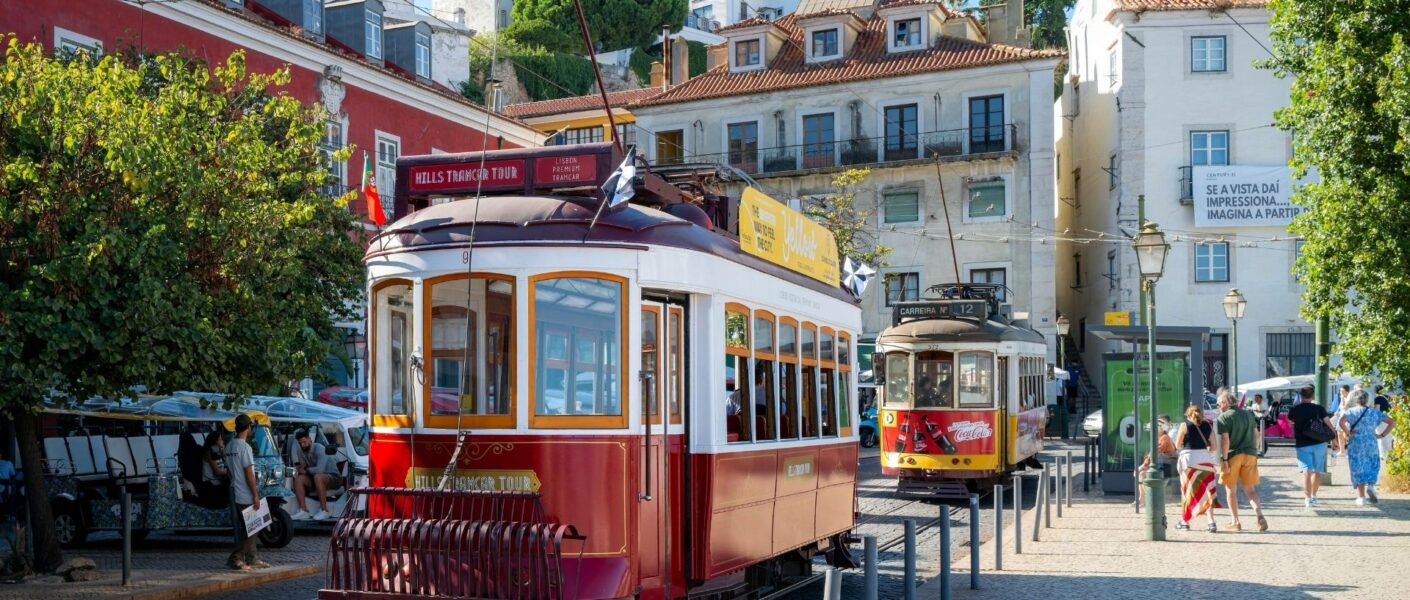
Visiting in Lisbon and its famously hilly terrain is part of its character, but navigating those slopes requires some strategy. The city’s efficient metro system connects major neighborhoods and tourist attractions, while the iconic yellow trams offer a more scenic route through narrow streets.
Tram 28 remains a must-do experience, winding through historic districts like Alfama and Graça. Consider purchasing a Viva Viagem card for unlimited travel on public transportation. The city’s growing network of electric scooters and bikes provides flexible options for shorter distances.
For those steep climbs, the historic elevadores and funiculars aren’t just tourist attractions—they’re legitimate transportation that locals use daily. And don’t forget Sintra just 20 minute drive away.
Where to Stay for the Best Experience
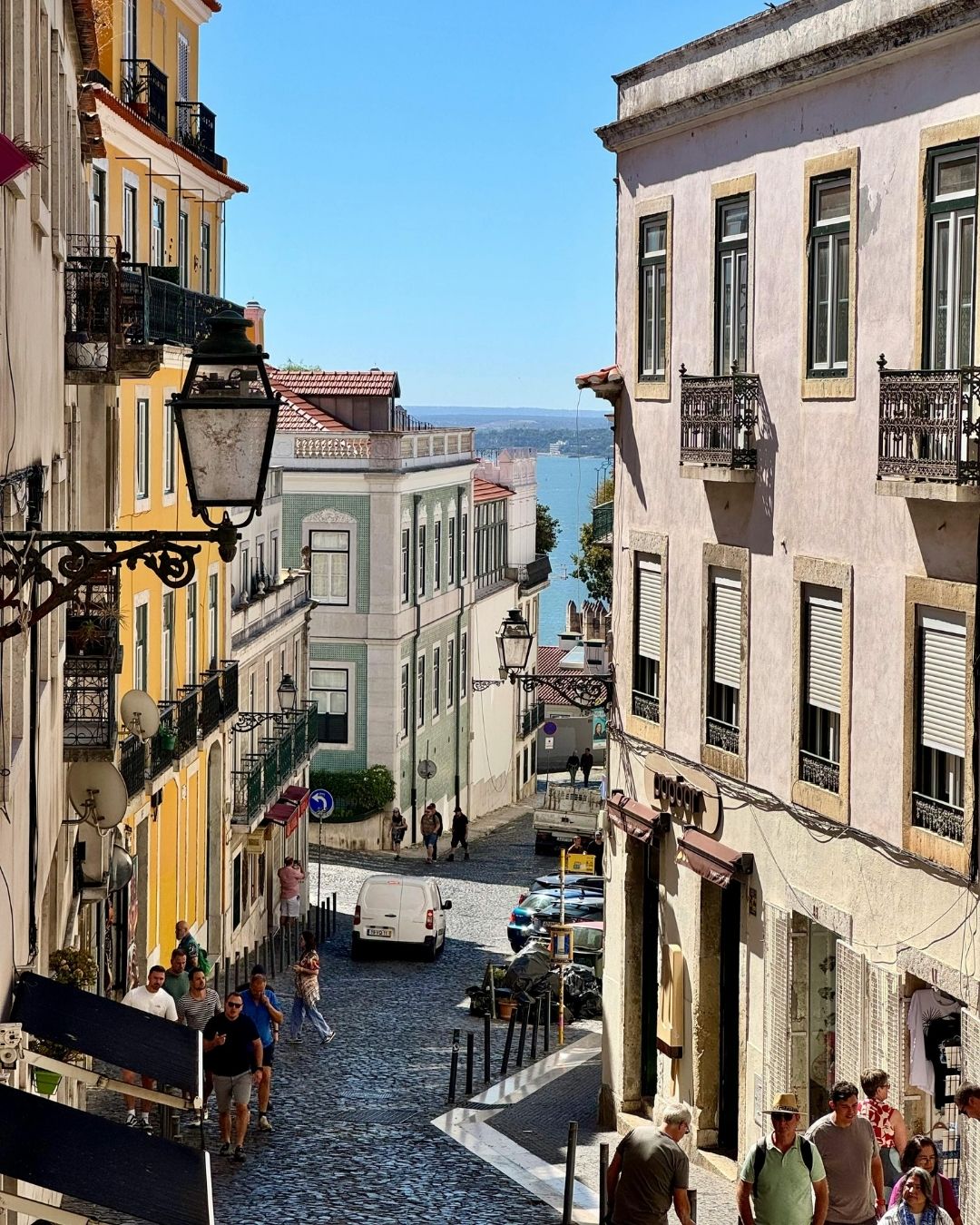
Choosing the right neighborhood significantly impacts your Lisbon experience. Baixa and Chiado offer central locations with easy access to major sights, shopping, and dining. Alfama provides authentic charm with its winding medieval streets and traditional fado houses, though be prepared for those famous hills.
Bairro Alto buzzes with nightlife and bohemian energy, while Belém places you near magnificent monuments and the famous pastéis de nata bakery. When searching for Lisbon rentals, consider proximity to metro stations and your planned activities. The emerging neighborhoods of Marvila and Beato offer more affordable options with authentic local flavor and creative spaces.
Timing Your Visit for Ideal Weather and Crowds
Spring and fall remain the sweet spots for visiting in Lisbon, with comfortable temperatures and manageable tourist numbers. April through June brings blooming jacaranda trees and pleasant weather perfect for walking tours. September and October offer warm days, cooler evenings, and the added bonus of harvest season in nearby wine regions.
Summer 2026 will see peak crowds and temperatures often exceeding 30°C (86°F), but the festive atmosphere and outdoor events make it appealing for many visitors. Winter months are mild compared to most European capitals, with occasional rain but also significantly lower prices and authentic local experiences without tourist crowds.
Must-See Attractions Beyond the Guidebook Standards
While São Jorge Castle and the Jerónimos Monastery deserve their fame, dig deeper to discover Lisbon’s hidden treasures. The Calouste Gulbenkian Museum houses an extraordinary collection spanning ancient Egypt to modern art in a peaceful garden setting.
The LX Factory, a creative hub in a former industrial complex, showcases Lisbon’s contemporary culture with independent shops, restaurants, and art spaces. Take time to explore the Mercado de Campo de Ourique, a neighborhood market where locals shop for fresh produce and gather at food stalls.
The National Tile Museum celebrates Portugal’s azulejo tradition in a beautifully restored convent. For panoramic views away from tourist crowds, head to the Miradouro da Senhora do Monte at sunset.
Eating and Drinking Like a Local
Lisbon’s food scene has exploded in recent years while maintaining its traditional soul. Start your day with a proper Portuguese breakfast of coffee and pastries at a neighborhood pastelaria. For lunch, seek out tascas—small, family-run restaurants serving honest, affordable Portuguese cooking.
Don’t miss trying bacalhau (salt cod) prepared in countless ways, fresh grilled sardines when in season, and the hearty caldo verde soup. The Time Out Market in Cais do Sodré offers a curated selection of the city’s best chefs under one roof. For drinks, explore ginjinha bars for the traditional cherry liqueur, and venture into natural wine bars that showcase Portugal’s exciting wine renaissance.
Practical Tips for a Smooth Visit
Portuguese people appreciate attempts to speak their language, even just basic greetings. English is widely spoken in tourist areas, but less so in neighborhood establishments. Cash is still preferred in many smaller shops and restaurants, though card acceptance is growing.
Book popular restaurants and fado shows in advance, especially during peak season. Be aware of your belongings in crowded tourist areas and on public transportation. Most importantly, embrace the Portuguese concept of “saudade”—a bittersweet longing—because you’ll feel it for Lisbon long after you leave.
Making the Most of Your Lisbon Adventure
Visiting in Lisbon rewards those who wander without rigid schedules. Allow time to get lost in neighborhoods, stumble upon neighborhood festivals, and linger over long meals. The city’s manageable size means you can easily combine structured sightseeing with spontaneous exploration, creating memories that extend far beyond typical tourist experiences.