
Most learners pick up one of the Korean learning classes, feel great for two weeks, and then quietly quit. That pattern is one of the most common problems in Korean learning today, and it usually comes down to poor learner-tutor fit or content that doesn’t match real conversational needs.
Keeping learners engaged past the first month, teaching Hangul in a way that actually sticks, and bridging the gap between grammar drills and real speech are genuinely hard problems. After reviewing dozens of platforms in this space, this guide covers the five that handle those challenges best.
The shortlist methodology
Platforms were evaluated by pulling data from user reviews, official websites, feature breakdowns, and third-party directories. Only options with a demonstrable track record in edtech made the cut. The assessment focused on teaching quality, learner outcomes, and access to native speakers across multiple proficiency levels.
→ See the full research breakdown
- italki – Best for live language learning with native speakers
- Memrise – Best for language learning
- LingQ – Best for language learning through authentic content
- Polly Lingual – Best for interactive language learning with native speaker tutoring
- JapanesePod101 – Best for Japanese language learning for all proficiency levels
The Cost of Overlooking Korean Learning Classes
Picking the wrong platform doesn’t just waste money. It wastes the most precious thing a learner has, which is the early window of high motivation.
When that enthusiasm isn’t met with the right structure, learners drop off fast. Hangul alone can defeat a beginner within days if the platform doesn’t teach it through the right pacing and repetition. Without a well-chosen tool, learners bounce between apps, never building real consistency.
Korean learning classes with strong native teacher access and proven lesson structures keep learners coming back. That matters most at the 30, 60, and 90-day marks, which is where retention separates good platforms from mediocre ones.
The right choice translates to higher lesson completion rates, longer average session times, and real progress toward fluency goals instead of just streaks on a dashboard.
Top 5 Korean Learning Classes: Overview at a Glance
Note: All data in this table is sourced from review platforms and the official websites of the listed companies.
Company Name |
Years Operating |
Headquartered In |
italki |
Since 2007 |
Hong Kong |
Memrise |
Since 2010 |
London, United Kingdom |
LingQ |
Since 2007 |
West Vancouver, BC |
Polly Lingual |
Since 2016 |
Indianapolis, United States |
JapanesePod101 |
Since 2005 |
New York City / Tokyo |
1. italki – Best for Live Language Learning with Native Speakers
What Does italki Offer?
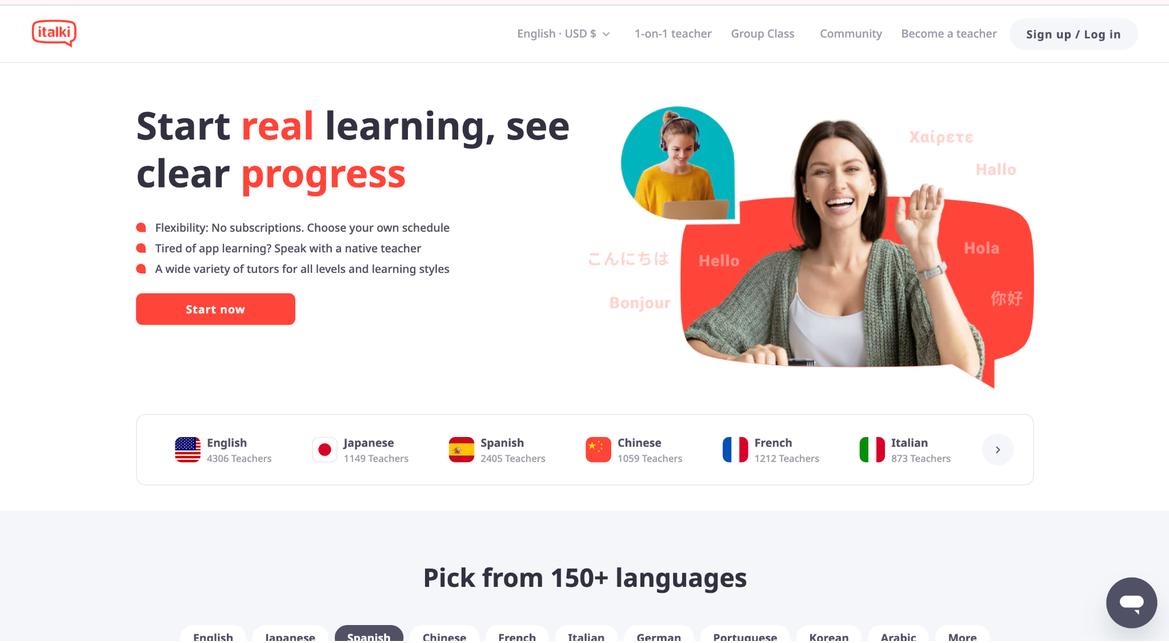
Learners who want real speaking practice with a real Korean person find that using italki for online Korean classes connects them with thousands of native-speaking tutors for one-on-one video lessons. The platform runs on a pay-per-lesson model, so learners aren’t locked into monthly commitments they might not use. Beyond lessons, the platform offers writing-correction tools, language-partner matching, and community forums (a rare combo at this price point).
Why Is italki Built for Korean Learning Platforms?
Conversational fluency is the hardest skill to build through self-paced apps alone, and italki directly solves that by putting a live native speaker in front of the learner. The data consistently show that platforms prioritizing real human interaction produce better speaking outcomes than those relying solely on automated feedback.
Customer Review Snapshot:
Learners regularly highlight how affordable and flexible the lesson structure is, especially compared to traditional tutoring. The biggest draw, based on the reviews, is tutor variety: learners can switch until they find someone whose teaching style matches their goals. Some note that quality varies between tutors, so finding the right match takes a few trial sessions (which is honestly true of any marketplace platform).
2. Memrise – Best for Language Learning
What Does Memrise Offer?
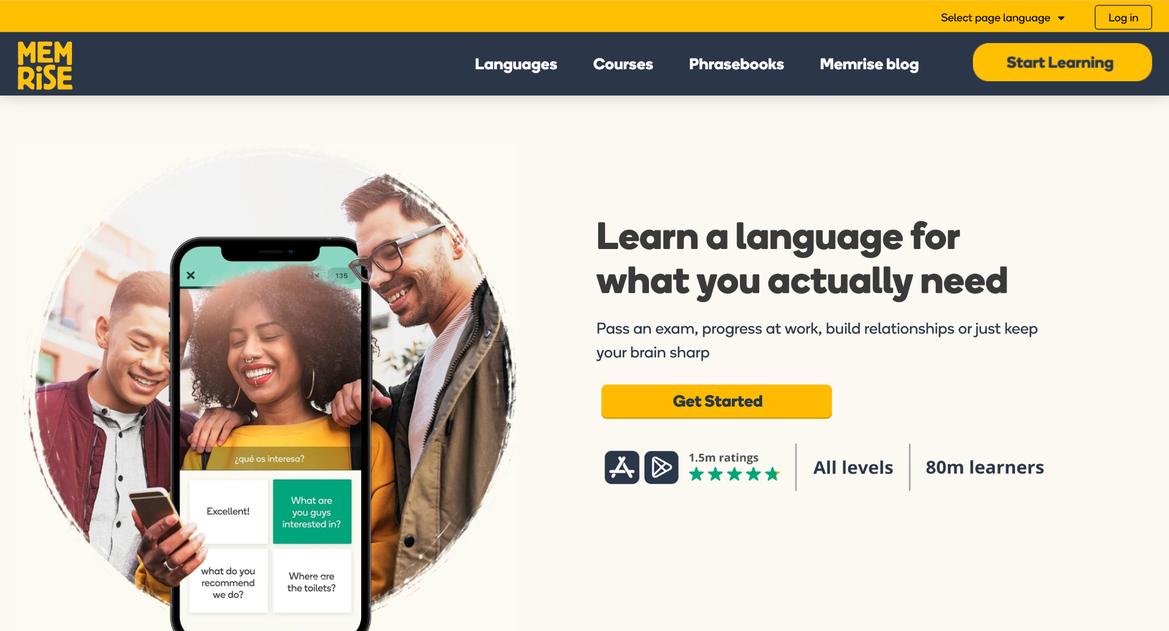
Memrise is built around spaced repetition and native speaker video clips, which makes it one of the more research-backed options in the self-paced category. The platform covers 24 languages across 200 combinations and has built up a user base of over 50 million learners. Pronunciation feedback and crowdsourced content give it a community feel that most app-based platforms lack entirely.
Why Is Memrise Built for Korean Learning Platforms?
For learners who struggle with Hangul retention and real-world vocabulary, Memrise’s spaced repetition system targets exactly those weak points through evidence-based repetition cycles. The combination of memory science and authentic native speaker clips makes vocabulary acquisition feel less like studying and more like picking up natural speech patterns.
Customer Review Snapshot:
Reviews point to Memrise being especially strong for beginners building vocabulary quickly. The native speaker video clips are a consistent highlight because learners feel like they’re hearing actual conversational Korean, not robotic audio. A few users mention the app works best as a complement to live lessons rather than a standalone path to fluency (which is fair for any vocabulary-focused tool).
3. LingQ – Best for Language Learning Through Authentic Content
What Does LingQ Offer?
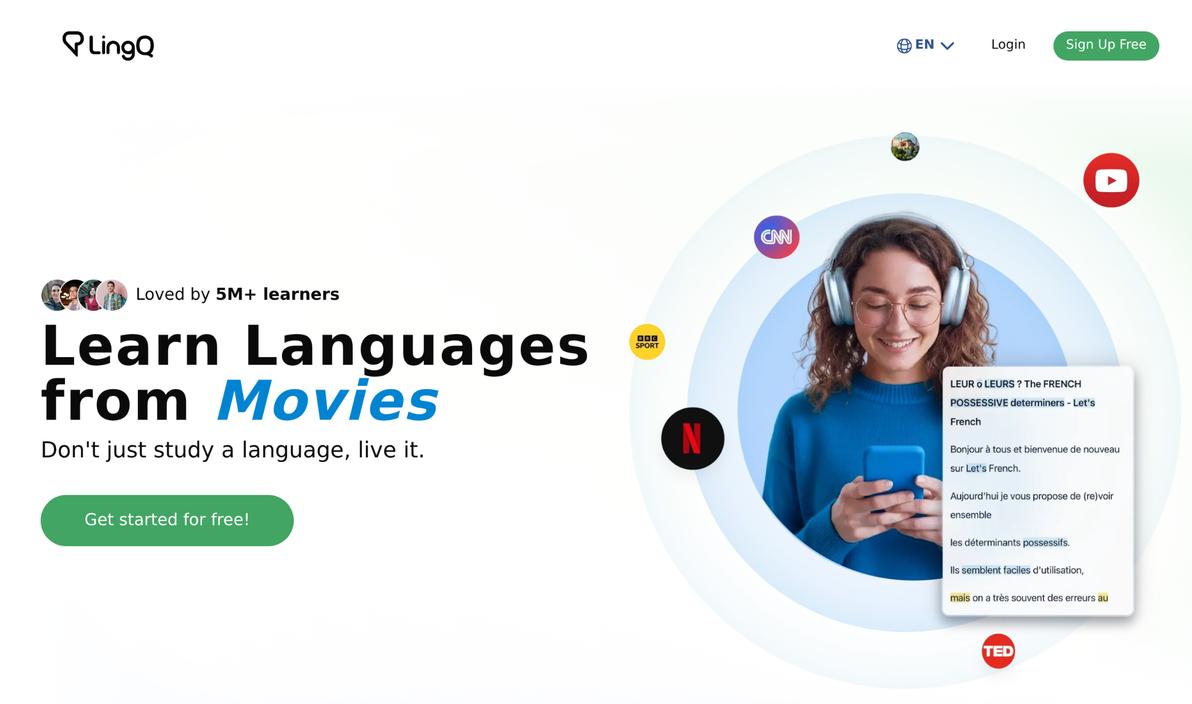
LingQ takes a different angle from most platforms by letting learners study through content they actually enjoy, such as podcasts, TV shows, books, and videos. Supporting over 50 languages, the platform is built around the input-heavy methods of co-founder Steve Kaufmann, who speaks 20 languages himself. Offline mode, unlimited content imports, and advanced vocabulary tracking make it genuinely useful for serious learners who want to go deep.
Why Is LingQ Built for Korean Learning Platforms?
Korean learners who hit the intermediate plateau (the point where structured textbooks stop helping) often find that authentic input is the only thing that moves them forward, and LingQ is purpose-built for exactly that stage. An independent team at Compare Language Apps ranked it the most effective language app, which is the kind of third-party validation that’s hard to dismiss.
Customer Review Snapshot:
Learners who stick with LingQ tend to become vocal advocates for it. The platform rewards consistency more than any other on this list, with vocabulary tracking and saved words building into a genuinely personal study record over time. Some beginners find the interface a bit demanding early on, but most describe it as clicking once they’ve built a foundation in Korean.
4. Polly Lingual – Best for Interactive Language Learning with Native Speaker Tutoring
What Does Polly Lingual Offer?
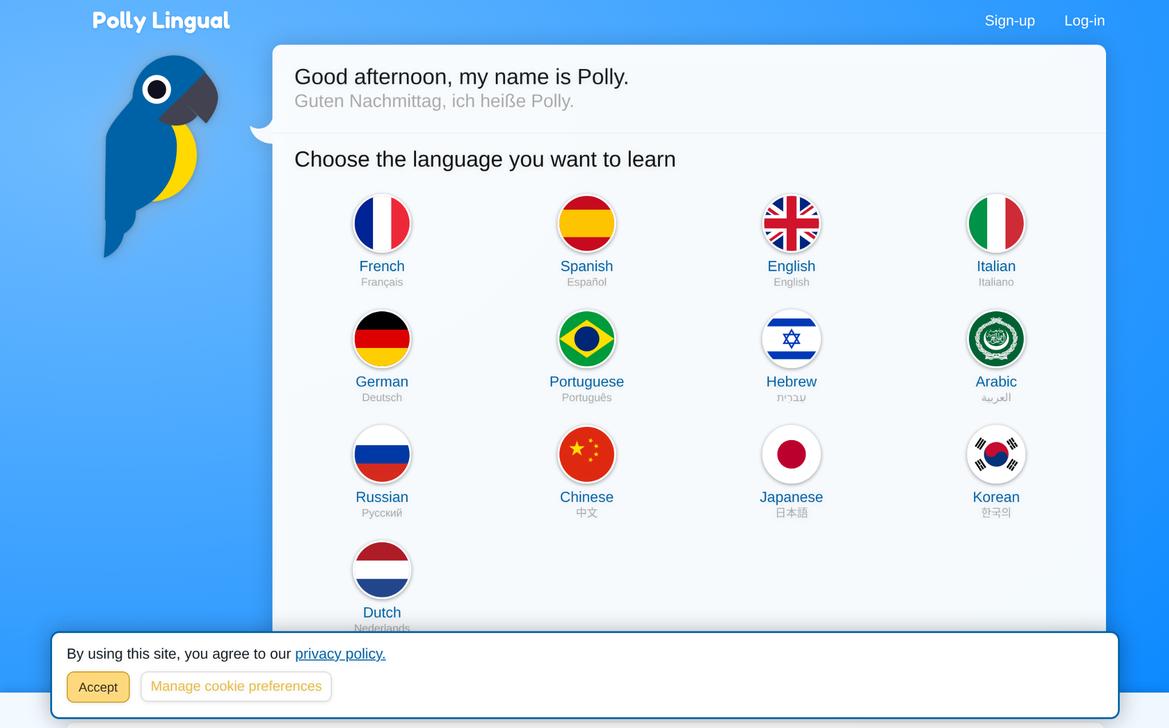
Polly Lingual blends self-paced lessons through its Polly Passport subscription with live instruction from native speaker tutors called language ambassadors. The focus lands on pronunciation, conversation practice, and local dialects, which puts it in a different lane from purely grammar-driven platforms. That hybrid structure (algorithm-driven lessons paired with a real human for feedback) is what makes it worth considering.
Why Is Polly Lingual Built for Korean Learning Platforms?
Getting pronunciation right in Korean requires feedback from a real speaker, and Polly Lingual’s ambassador network addresses that gap in a way that self-paced apps simply can’t replicate. What’s worth appreciating about their model is that the algorithmic lessons prep the learner before each live session, which means tutor time gets spent on actual conversation rather than reviewing basics.
Customer Review Snapshot:
Polly Lingual doesn’t have a large public review footprint yet, which reflects its bootstrapped, independent status as a newer entrant. From what the available feedback shows, learners appreciate the practical focus on speaking and pronunciation over rote grammar. That kind of focused approach is rare among smaller platforms, and it builds loyalty among learners who’ve already burned out on app-only study routines.
5. JapanesePod101 – Best for Japanese Language Learning for All Proficiency Levels
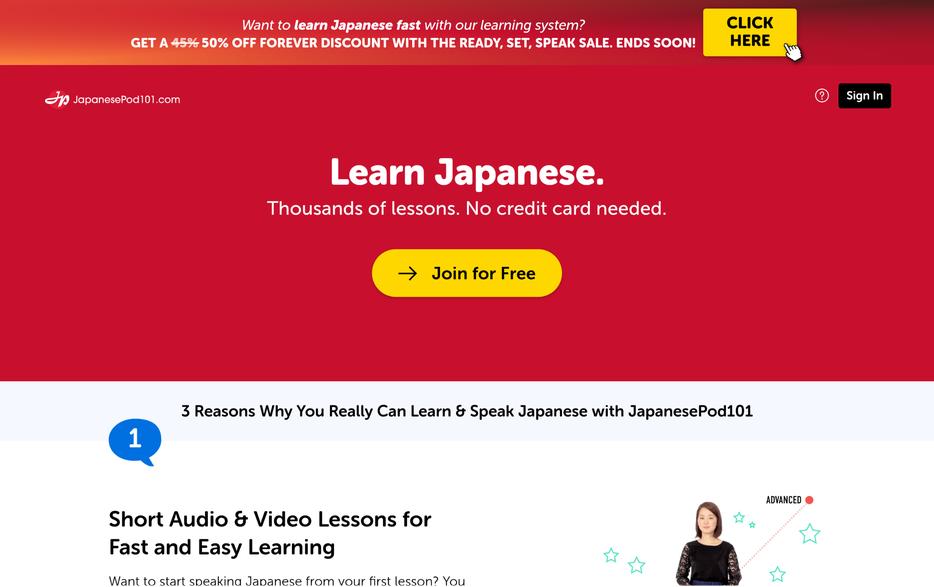
What Does JapanesePod101 Offer?
JapanesePod101 has spent nearly two decades building out a library of over 2,500 audio and video lessons spanning beginner to advanced levels. The platform leans heavily into podcast-style learning, pairing scripted dialogues and grammar explanations with interactive tools such as flashcards, quizzes, and a voice-recording feature. With 4 billion lesson downloads, this isn’t an experimental product. It’s a well-worn path for audio-focused learners.
Why Is JapanesePod101 Built for Korean Learning Platforms?
Learners who absorb language best through listening rather than reading find that the podcast-first format fits naturally into daily routines like commuting or exercising, removing the friction that kills consistency. And 18 years of iterative lesson design means the content structure is tighter than most newer platforms can match, especially for building listening comprehension from scratch.
Customer Review Snapshot:
Long-term users cite the sheer volume of structured content as the platform’s biggest strength. Learners who commit to the audio lesson format consistently report strong improvements in listening and speaking confidence. Some users note that the platform’s focus is primarily Japanese, so learners looking specifically for Korean learning classes content may want to check exact language availability before committing (a fair consideration given the platform’s origin).
Selection Standards and Verification Process
What to Collect Before You Begin
The process started by casting a wide net. Directories, app store listings, language learning forums, and third-party review platforms were all sourced to build a raw longlist of Korean-focused learning tools. Each platform’s official website was reviewed alongside publicly available case studies and user testimonials to get a clear picture of what the tool actually delivers, not just what its marketing claims.
Eligibility Review: Evaluating the Top Prospects
Once the longlist was assembled, platforms without a verifiable track record were removed. Review patterns were analyzed across multiple sources to assess consistency, examining whether positive feedback held up over time or represented a single burst of early enthusiasm. Platforms with thin review profiles or unsubstantiated claims about features were set aside at this stage.
Testing Assertions for Reliability
Claims made on official websites were cross-referenced against what real learners reported in reviews. When a platform advertised native-speaker access or CEFR-aligned content, those claims were checked against user experiences describing the actual quality of lessons. Where gaps appeared between stated features and real-world accounts, those platforms were flagged or dropped from consideration entirely.
Reading the Authority Signals
Platforms that appeared in reputable language learning publications, earned recognition from major app stores, or were referenced by credible educators were weighted more heavily. Original research produced by a platform, co-founder credibility within the language learning community, and sustained user growth over multiple years all served as markers of genuine authority in the space.
Looking at Korean Learning Platforms Specifically
Each shortlisted platform was assessed for its Korean language offering. Dedicated Korean content pages, verified learner reviews discussing Korean study outcomes, and evidence of native Korean-speaking teachers or content creators were all checked. Platforms that offered Korean only as an add-on without dedicated content depth were deprioritized in favor of those with clear, verified Korean-specific learning paths.
Picking the Right Fit
Not every Korean learning classes platform suits every learner, and the gap between a good fit and a bad one shows up fast in retention and progress. Here are the factors worth checking before committing to any platform.
- Industry/Domain Experience: Look for platforms with a proven history in language education, not just general app development. Years of development on lesson structure matter more than a polished interface.
- Features and Capabilities: Check whether the platform covers speaking, listening, reading, and writing, or only one or two skills. Learners with TOPIK exam goals need different features than someone learning for K-drama comprehension.
- Pricing Structure: Pay-per-lesson models like italki suit inconsistent schedules, while subscription platforms work better for daily learners. Make sure the pricing matches your actual usage pattern, not an idealized version of it.
- Results Measurement: Strong platforms give learners visibility into their own progress through vocabulary scores, lesson completion tracking, or fluency milestones. If a platform can’t show you where you’ve improved, that’s a problem.
- Industry Knowledge and Compliance: For learners targeting CEFR level alignment or TOPIK certification, check that the platform’s content is structured around recognized Korean language proficiency standards rather than generic conversational content.
Key Points to Remember
Choosing well among Korean learning classes and platforms comes down to one honest question: what does your learning day actually look like? Live tutoring platforms reward learners who show up consistently for real conversation. Content-driven apps work best as daily supplements.
The platforms that stick are the ones matched to real habits, not ideal ones. As demand for Korean keeps growing across culture, career, and education, the gap between a well-chosen platform and a poorly chosen one will only widen over time.