Imagine standing beneath a vast Icelandic night sky, surrounded by mountains, open countryside and complete darkness. Suddenly, a faint green glow appears above the horizon. It grows brighter, stretches across the sky and begins to move in waves.
Within minutes, the landscape becomes part of a natural light show that no artificial display could ever reproduce. Seeing the Northern Lights is one of those travel experiences that can stay with you for a lifetime.
However, catching the aurora is not as simple as choosing a date and looking up. Darkness, cloud cover and solar activity all influence visibility, which makes preparation and flexibility essential. Joining a guided Northern Lights tour in Iceland is a practical way to experience this phenomenon.
BusTravel Iceland offers several types of aurora excursions from Reykjavík, combining experienced guides, changing viewing locations and the opportunity to explore the Icelandic countryside after dark.
Why Is Aurora Hunting Different from Ordinary Sightseeing?
Most sightseeing trips follow a planned route with specific stops and attractions. Northern Lights excursions work differently because the main attraction cannot be scheduled.
The aurora borealis forms when charged particles from the Sun interact with Earth’s magnetic field and upper atmosphere. These interactions release energy in the form of light, creating colourful displays that can appear as arcs, curtains or moving waves. Green is the most commonly observed colour, although other shades, including pink, purple and red, can also occur.
The challenge is that strong auroral activity alone does not guarantee a good view. The sky must also be dark enough and, ideally, relatively clear. Thick clouds can hide even an impressive display.
This is why experienced guides monitor several forecasts rather than relying on a single aurora activity reading. The Icelandic Meteorological Office provides information about both cloud cover and expected auroral activity, helping tour operators assess where viewing conditions may be more favourable.
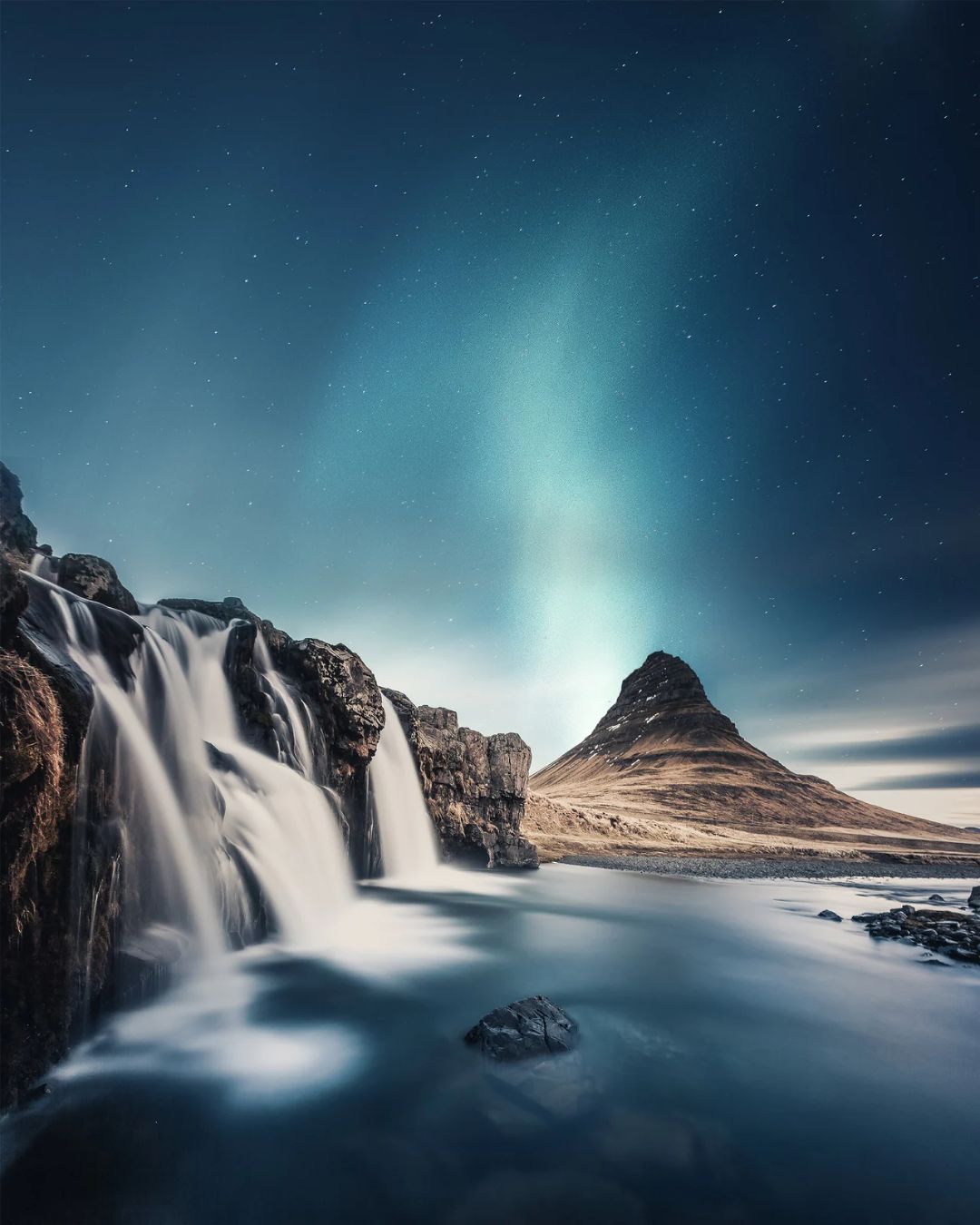
The Best Location Is the One with the Clearest Sky
One of the most interesting aspects of an aurora excursion is that the destination may change depending on the conditions. A location that looks promising in the afternoon may become cloudy later in the evening, while another area could offer much better visibility.
BusTravel Iceland’s guides and operations team use weather information, cloud forecasts and aurora predictions to select suitable viewing locations. The tour does not follow one fixed sightseeing route. Depending on the conditions, the bus may head towards the Golden Circle, along the South Coast or to another accessible area with less light pollution.
Leaving Reykjavík behind is important because artificial lighting can make faint auroras harder to see. Once away from the city, passengers have a better opportunity to appreciate the darkness and watch the sky without excessive light interference.
The journey itself is also part of the experience. During the drive, guides share information about the science of the aurora, Icelandic traditions and folklore associated with the mysterious lights. It adds another dimension to what might otherwise be several hours of waiting.
Coach, Small Group or Super Jeep: Which Aurora Tour Should You Choose?
Not every traveller wants the same kind of experience. Some prefer an affordable and comfortable group excursion, while others value a more personal atmosphere or opportunities to take photographs.
BusTravel Iceland offers several formats to consider:
- Classic coach tours: A comfortable option for travellers who want to join an organised evening excursion, learn from an experienced guide and enjoy the experience without worrying about driving in winter conditions.
- Small-group tours: A more intimate alternative for those who prefer travelling with fewer people and having a closer connection with the guide.
- Photography tours: Designed with aurora photography in mind, these experiences are worth considering if capturing the lights is one of your main priorities.
- Private and Super Jeep tours: Options for travellers looking for a more exclusive experience and a different way of exploring the countryside after dark.
There are also combination excursions that bring together daytime sightseeing and evening aurora hunting. Depending on the itinerary, travellers can explore the Golden Circle, South Coast, geothermal attractions or volcanic landscapes before heading out again after sunset.
The best option depends on your budget, preferred group size and whether you want to focus exclusively on the Northern Lights or combine the experience with other Icelandic highlights.
What Should You Wear on a Northern Lights Tour?
An aurora excursion may involve spending a considerable amount of time standing outside in the cold. Even when the temperature does not seem especially low, Icelandic wind can make the conditions feel much harsher.
Dressing in layers is therefore essential. A practical outfit should include:
- A thermal base layer: Merino wool or suitable synthetic fabrics help manage moisture and maintain comfort.
- An insulating middle layer: A fleece or warm sweater provides additional protection against the cold.
- A waterproof and windproof outer layer: This helps protect against changing Icelandic weather.
- Warm accessories: Gloves, a hat and a scarf or neck warmer make waiting outside considerably more comfortable.
- Suitable footwear: Choose warm shoes with good grip, particularly when walking on icy or uneven ground.
It is also a good idea to bring water and a small snack. BusTravel Iceland provides complimentary hot chocolate during its classic Northern Lights bus tour, which makes the waiting experience a little more enjoyable.
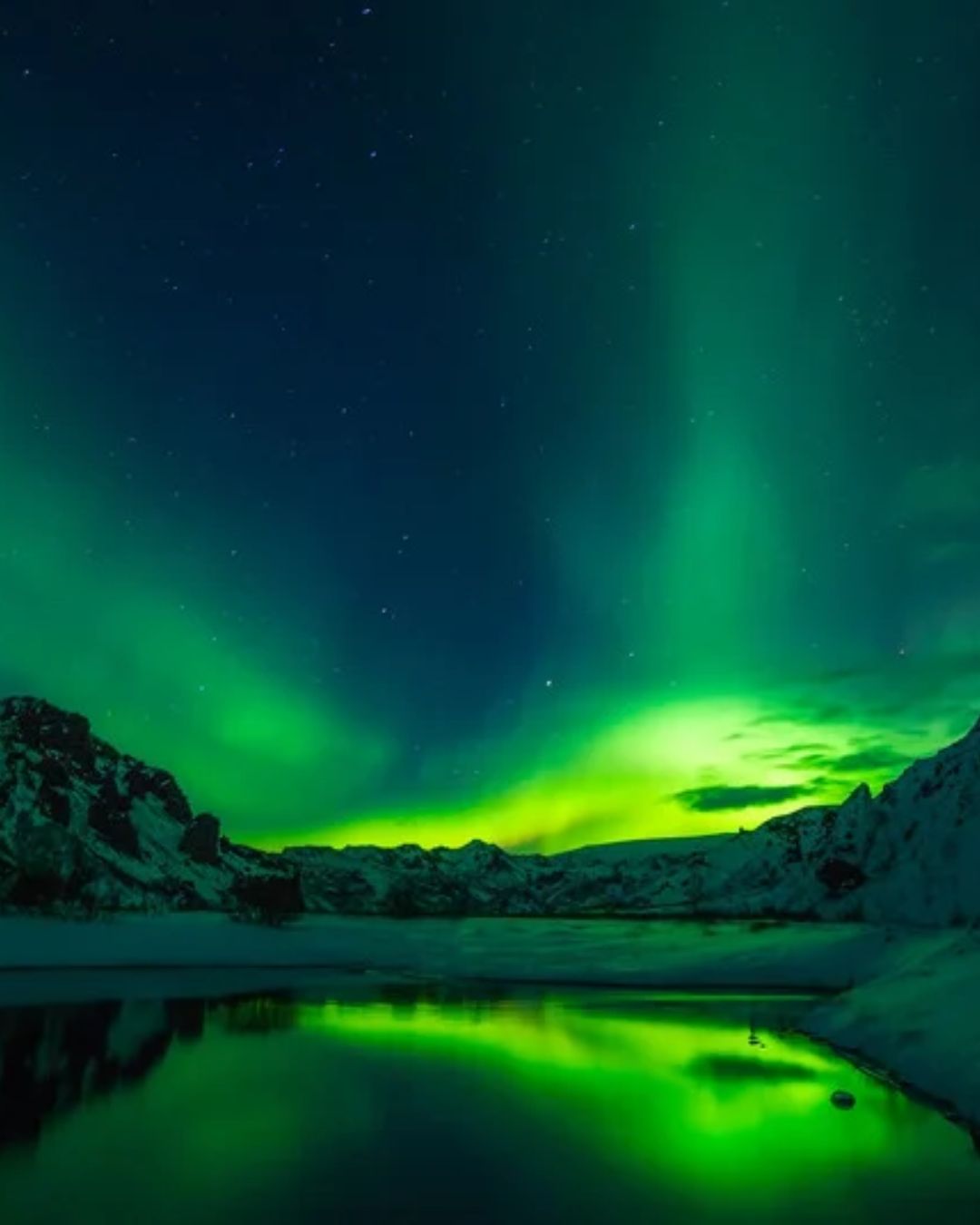
Photographing the Northern Lights: A Few Simple Tricks
Capturing the aurora can be surprisingly challenging. The human eye and a camera do not perceive darkness in exactly the same way, so an impressive display may look quite different in a photograph.
A tripod is especially useful because long exposure times require a stable camera. If you have a camera with manual settings, experiment with a relatively wide aperture, higher ISO and exposure times that capture the movement without making the stars appear overly stretched.
Modern smartphones can also produce excellent aurora photographs. Night mode or dedicated long-exposure settings are worth exploring before the excursion. Practising at home means you will not have to figure out your camera while wearing gloves in freezing temperatures.
One final tip: do not spend the entire evening looking at a screen. Take a few photographs, then put your phone away and watch the sky. The experience itself is more impressive than any image on a display.
What Happens If the Northern Lights Do Not Appear?
This is probably the most important question to consider before booking. Even with sophisticated forecasts and experienced guides, no tour operator can control solar activity or guarantee clear skies.
The Northern Lights in Iceland are a natural phenomenon, not a scheduled performance. Sometimes the clouds refuse to cooperate, and occasionally the aurora simply remains too faint to be visible.
BusTravel Iceland addresses this uncertainty with its Free Retry Guarantee. If the Northern Lights do not appear during your excursion, you can join another Northern Lights tour free of charge.
The classic bus tour offers a retry valid for up to three years, giving you another opportunity to experience the aurora during your stay or a future visit. This is a rebooking opportunity rather than a refund.
It is also worth remembering that operators may cancel an excursion when forecasts indicate particularly unfavourable conditions. Being flexible with your travel dates and allowing more than one evening for aurora hunting can improve your overall chances.
FAQ: Northern Lights Tours in Iceland
When is the best time to see the Northern Lights in Iceland?
The main Northern Lights season in Iceland runs from September to April, when the nights are sufficiently dark for aurora viewing. BusTravel Iceland lists some of its Northern Lights excursions from August, when darkness begins to return. Clear skies and favourable solar activity are equally important.
Can a Northern Lights tour guarantee an aurora sighting?
No. The Northern Lights depend on natural conditions, including solar activity, darkness and cloud cover. Experienced guides can use forecasts to select promising viewing locations, but sightings cannot be guaranteed.
How long does a Northern Lights bus tour from Reykjavík last?
BusTravel Iceland’s classic Northern Lights bus tour typically lasts around three to four hours. The actual duration may vary depending on weather conditions and the location selected for viewing.
What happens if I do not see the Northern Lights during my tour?
BusTravel Iceland offers a free retry on another Northern Lights excursion if the lights do not appear. For its classic bus tour, the retry ticket is valid for up to three years. The offer allows you to try again rather than receive a refund for an unsuccessful sighting.
Do I need a professional camera to photograph the Northern Lights?
No. Many modern smartphones have night photography modes that can capture the aurora. A tripod and manual camera settings can improve results, but the most important thing is to practise beforehand and keep the device steady.
Are Northern Lights tours suitable for children?
Some excursions are suitable for families, although age restrictions depend on the individual tour. BusTravel Iceland’s classic Northern Lights coach tour has a minimum age of six years. Warm clothing and the ability to spend time outdoors in cold conditions are particularly important for younger passengers.