Are you aware of the perks of quiet quitting? The term was coined in the early 2020’s by the “managing class”, which mostly consists of Gen X and Boomers. They wanted to specifically direct this supposed ‘insult’ to the Gen Z workers, who refused to play by their rules.
What the older generations don’t seem to understand, though, is that the world has changed. A lot! The world they grew up in hasn’t existed for decades. And still they try to cling on to their toxic ways and lack of healthy boundaries or life values.
Quiet quitting was meant to guilt younger people into working harder. While you could guilt Millennials into selling their soul to the devil (which many of them willingly did and now pay the price), that “strategy” doesn’t work anymore.
Like in so many other ways, the COVID19 pandemic really put things into rather a different perspective even for Millennials when it comes to work. After 2decades of working our assess off for not much in return we suddenly realised that there’s a lot more than just work that life has to offer. Mainly, LIFE.
Slowly but surely Millennials started to follow the trend, as in uncenter work and replace it with more meaningful things. And thank goodness for that!
For too long the working force has allowed incompetent and very often extremely toxic people to control their entire lives through work. NO MORE! If you haven’t yet tried and embraced quiet quitting, I’ll give you 6 reasons to start doing so yesterday.
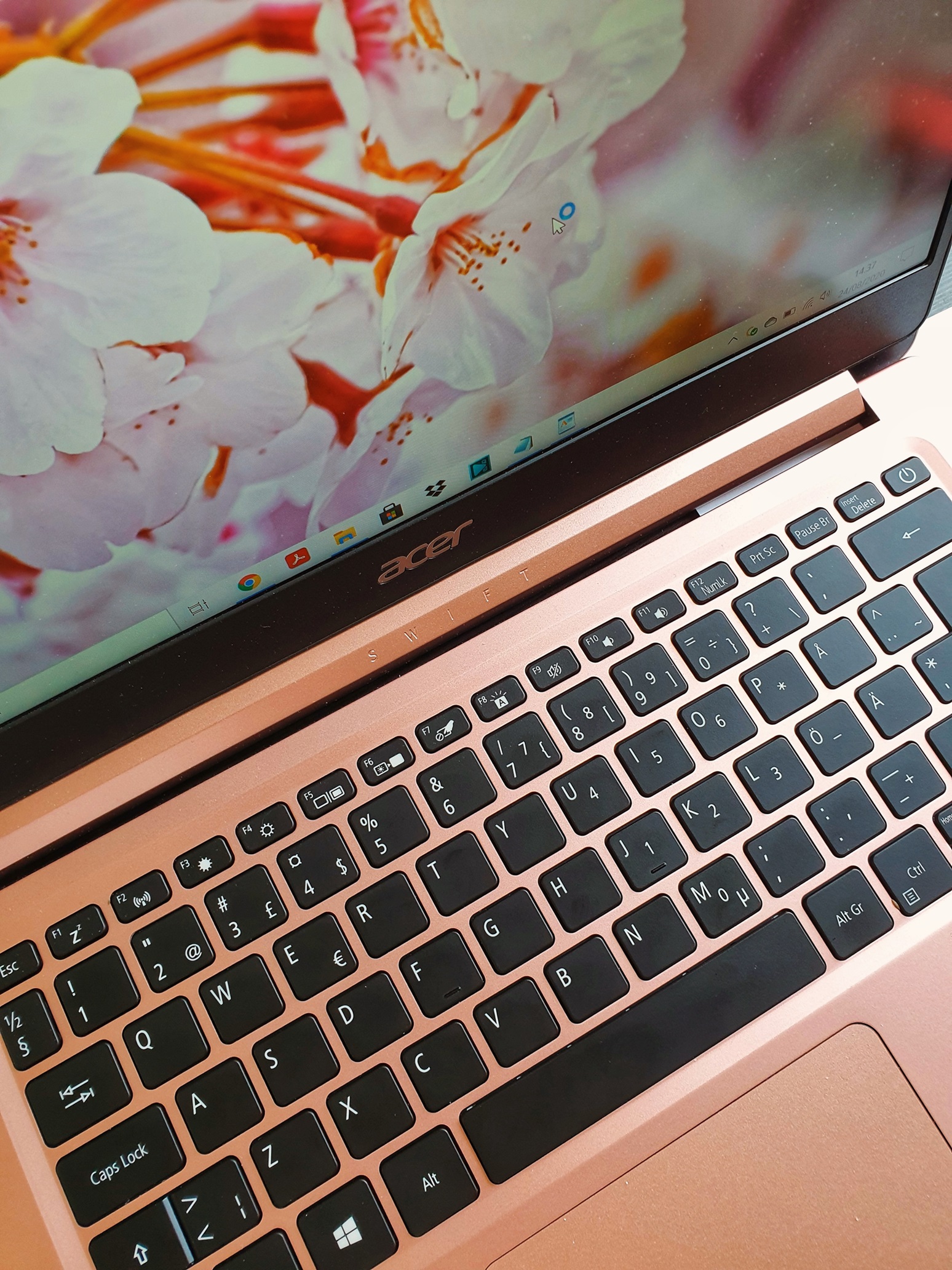
Rethinking Work – The Perks of Quiet Quitting
In case the term is a bit vague for you, “quiet quitting” refers to employees doing only what is stated in their contract and what they are paid for. Nothing extra: no overtime without pay, no under-the-desk favours, no tolerance for needless drama.
Basically, workers who are engaging in this normal way of working are setting firm boundaries to avoid burnout and maintain a healthier balance between work and personal life. And the managers don’t like it.
The fact that not centering work in our lives was named in such a scornful manner says much more about the people who came up with it than the people they attempted to insult. Since the employers never cared about their employees, it was only a matter of time until they took it upon themselves.
So, here we are! Driven to prioritise ourselves by incompetent managers and being mocked for it. Let them mock, we’re 6 steps ahead of them. Those 6 steps are the perks of quiet quitting!
1. Avoiding burning out for no reason
Most of us know someone who has burned themselves out with work. Most often it’s women. But here’s a harsh truth that many don’t want to face up to: burnout is almost always self-inflicted. YOU drive yourself to that state.
Because at the end of the day, all that extra work that you agree to take on will never bring you any benefit! The only “reward” it gets you is even more work because oh, you’re so efficient, you can do the work of 3 people.
So, let’s stop this idiocy and instead focus on the perks of quiet quitting. Don’t do anything else than what is stated in the job description in your work contract. If extra work is required, you need to be paid for it. If not, then no extra work is to be taken on. And definitely no working extra hours without pay!
Why should you be so strict with these boundaries? Well, in case the fact that your salary doesn’t compare to the time and effort you gift to your employer isn’t enough, here are couple more reasons to consider:
- Setting clear boundaries makes sure you don’t overwork yourself, which reduces the risk of burnout.
- Working only as much as you are paid ensures you don’t become slave labour. Your work is contributing first and foremost to the company’s coffers and your manager’s wallet. Not yours!
- Prioritising rest and recovery is a human right and much more important that that report you have to write. Being able to rest and reset improves overall well-being and quality of life.
Remember that it’s not your company. You just work there. And thus, it is not your business to take responsibility for the way the company is performing. If you do, you are a downright idiot.

2. Prioritise creativity and individual potential
Especially those who are working or have worked in corporate know that your workplace really doesn’t care about your existence whatsoever. You are replaceable and just there to do their bidding. And the last thing they want from you is initiative in terms of new ideas.
You know, new ideas that could improve the work environment, mental health of the workers or even increase productivity. Oh no, everything must be done exactly as it always has been, no matter how damaging it is to the company and its workers.
One of the biggest perks of quiet quitting is that you are actually left with a lot of time to spare at work. The 8-hour work day was created for factory workers, and obviously isn’t relevant anymore in many jobs.
Most office jobs of any sort don’t require 8 hours of the day to be completed. Especially nowadays that we have all kinds of AI tools to help us accelerate the working speed and processes. So, what to do with all that time that is left for you after the daily tasks are done?
Whatever you want! What are you actually passionate about in life? Creating a business of your own? Learning a new skill, like sowing or painting? Writing? Photography? Whatever it may be, use the extra time you earned for yourself by being as efficient as you are for your benefit.
An example of perks of quiet quitting from real life:
Throughout my entire working life I have been a quiet quitter without knowing that I am so. I just refuse to do anything extra, unless it benefits me in some way. Some people call it laziness, I call it genius.
I’ve worked in banking, marketing, as a secretary, IT backoffice, you name it. And in every office job 8 hours was way more than what was needed to get the daily tasks done. So, with the extra time I did what I loved the most: I focused on writing.
I’ve lived abroad my entire adult life, and I was blogging about it. So, I spent the extra time at work writing blog posts, editing photos for those blog posts or planning future content. And those blogs later grew into this right here: The Outlandish Adventure. How cool is that?!
And if I did it, there is absolutely no reason why you couldn’t do it as well! In case blogging is what you’re like to try, you’ll need a website. And for a website you will need a hosting service (they take care of all the technical stuff so you can focus on creating content).
I use Lyrical Host and could not be happier with them: they offer hosting packages for bloggers, content creators and small businesses. The customer service is super quick to reply, very friendly and always willing to help. And their hosting service just works.
Check it out and use code OUTLANDISH10 for 10% off your chosen hosting package. Please note, that this is an affiliate link, but that doesn’t cost you anything extra.

3. Better mental health
Judging by the 2 previous points it’s probably quite clear to you that one of the biggest perks of quiet quitting is the positive effect it has on your mental health. This is simply the result of you putting your own wellbeing above a company’s balance sheet. As you should!
If you’re still a bit reluctant to admit that you really are worth some healthy boundaries, here’s how you could help yourself:
- Quiet quitting reduces stress automatically because it’s first and foremost a mindset shift: you feel less pressured to overwork because you know there is no reward for it.
- Working only as much as you’re paid to do enables you to practise self-care. This is possible because you have more time to engage in activities that promote mental health, such as hobbies, and socializing outside of work.
4. Increase in productivity
The older generations grew up with the sort of work where more working hours equals more results. But as stated earlier, that type of work no longer exists for most of us.
Instead, we have to rethink work and look at productivity from a whole different angle. Productivity is no longer about the hours you work. It’s about the employee’s overall wellbeing that then reflects on their performance at work.
There’s no denying that employees who work within their limits often focus better and complete tasks more efficiently. For example, a person who has slept well is more alert and receptive to changes and pays better attention to detail than the one who can’t sleep due to too much stress.
Another important aspect of productivity, and how it’s very different nowadays than in the 1960’s, is quality versus quantity. Somehow those two always override one another, you can’t have both. So, in terms of the perks of quiet quitting, quality is emphasized over quantity.
In practice this means that focusing on essential tasks within working hours results in higher-quality work rather than more work. It’s a win-win! I can vouch for this, because this is a life lesson from my mum that I’ve always lived by:
If you’re not going to do it properly, then don’t do it at all!

5. Better working environment
Many of us have personally witnessed a toxic workplace. Whether it was so due to a toxic manager or because there was a culture of overwork or a bad working environment, it never serves anyone.
We all know this and most of us have seen how it also reduces the business’s gains on every front as well. And still the older generations cling on to making sure their work force is as miserable as can be… Talk about incompetent management!
Bad working environment can be seen as high workforce turnover. Younger people are much more prone to leaving toxic workplaces behind than the older generations.
The perks of quiet quitting include that the more of us are behaving as such, the better it is for everyone. And as a result
- employees are more likely to stay in their jobs if they feel their work-life balance is respected.
- it can prompt organizations to distribute work more fairly and prevent over-reliance on just a few employees. It’s not their business so it shouldn’t be their responsibility either!
6. Getting the sense of achievement
Last but definitely not least, one of my personal favourite perks of quiet quitting is the feeling of achievement that it enables us to have. This is simply because a strict focus on work can lead to neglect of personal life and goals.
Whereas when you have healthy boundaries in terms of work, you also allow yourself to LIVE. This obviously promotes personal fulfilment, which then creates mental space that allows you to actually feel good after a busier day at work: You did it!
At the end of the day, finding a healthy way to balance your personal life with your work life is essential. Note; personal life always comes first! Why?
Because it ensures that work does not overshadow all the things that are much more important, like family, friends, hobbies, creative projects, relaxing, etc. Prioritising life over work automatically leads to a more balanced and fulfilling life overall. Wouldn’t you want that?
Final Thoughts
So, here we have the 6 perks of quiet quitting. They’re quite self-explanatory because we all already know all this. Quiet quitting is the only way to work. If you opt for anything else, just know that you are willingly peeing in your own cereals.
Finally, embracing quiet quitting can be a proactive approach to enhancing overall well-being, productivity, and job satisfaction by setting healthy boundaries and fostering a more balanced and sustainable work culture.
It advocates for a work environment that respects personal time and acknowledges the importance of life beyond work. Because the fact is that work should be at the bottom of your priorities list in life.
Are you the “quiet quitter” at your workplace? Or would you like to have a go at it? As in, a go at respecting yourself a little bit more? Well, I truly hope so, because work is the very last thing any of us should lose our mental health over! ♥
Follow me on Instagram and use #styleoutlandish to showcase your style! I’m always on the lookout for outfit inspiration. Get to know me better by listening to my podcast, Random Rambles. If you wish to work with me, check out my services here!