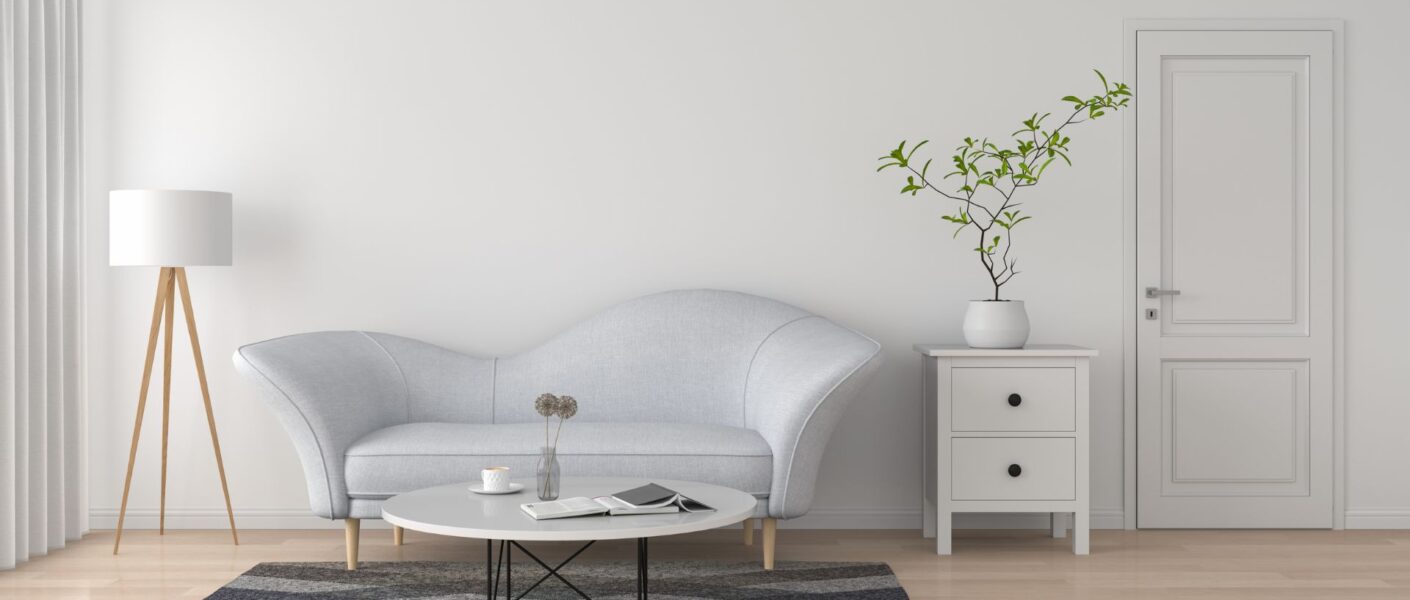
Natural light has a strong impact on how a home feels. Rooms appear larger, colors look fresher, and the mood is more welcoming. With these smart design tips, you can capture more daylight and rely less on artificial lighting. Think of how the sun streaming through a new window changes not just brightness but the whole atmosphere of a room.
Start with Windows
Windows are the main daylight source indoors, and following Sustainable Living Tips helps you select energy-efficient frames that maximize natural light. Bigger panes and well-placed frames brighten a room instantly. Modern replacements improve efficiency and appearance.
Match glazing to climate: keep U-factor low everywhere, aim for higher SHGC in cold zones, and lower SHGC in hot areas. ENERGY STAR windows in cold climates often target U-factors near 0.30, while in hot regions SHGC ratings of 0.25–0.40 are typical.
Skylights or clerestory windows help where wall space is limited. Studies show skylights can raise daylight levels by up to 30% in deeper rooms.
Choosing the Right Window Treatments
Window coverings affect how much light actually gets inside. Heavy drapes block too much, while light fabrics filter sun gently. Picture the difference: a heavy velvet curtain turns a room dim at noon, but sheer curtains keep the space bright. Pair sheers with blinds or thicker drapes for privacy at night. In bedrooms, layered treatments let you control brightness throughout the day.
Minimalists can pick roller shades in light colors. They are discreet, easy to use, and affordable, often starting at $25–$40 per window. Designers usually advise against dark, dense fabrics unless you want to block light completely.
Mirrors and Reflective Surfaces
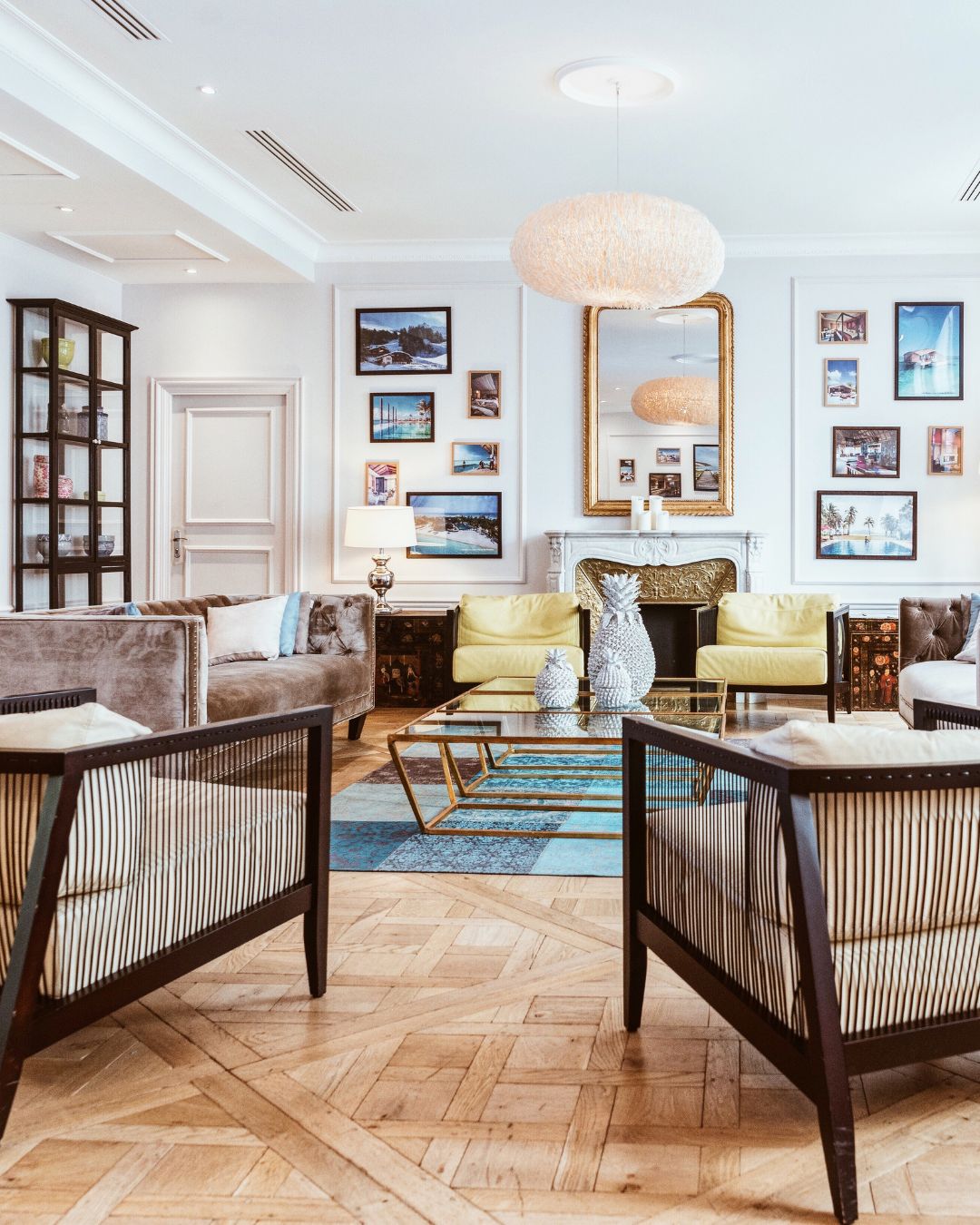
Mirrors are a simple way to spread daylight. A mirror opposite a window doubles the effect of sunlight. Even mid-sized mirrors brighten a hallway or compact room.
- Other reflective touches help too:
- Glass coffee tables keep light moving.
- Glossy cabinet or wall finishes bounce brightness.
- Metallic accents add shimmer.
One or two of these design tips can make a visible difference.
Light Colors on Walls and Ceilings
Wall and ceiling colors change how much daylight stays in the room. Pale shades—white, cream, soft gray—reflect more light and make interiors feel open. Look for higher Light Reflectance Value (LRV); many bright whites sit around 80%. A slightly lighter ceiling than the walls creates the illusion of height.
To avoid a sterile look, combine light neutrals with natural textures like wood or linen. The mix of brightness and warmth keeps a room inviting.
Furniture Placement and Layout
Furniture can block or free the path of daylight. Large sofas or shelving near windows act as barriers. Shifting them even half a meter can brighten the whole area.
Tips that help keep interiors sunlit:
- Place tall cabinets and wardrobes on darker walls.
- Position desks or dining tables near windows for natural light.
- Keep sills clear of clutter or decor.
Small adjustments add up, creating a smoother flow of light.
Indoor Plants and Natural Touches
Plants thrive in bright conditions and make a room feel alive. Put greenery near windows to soften the indoor-outdoor transition. Good picks for indirect light include fiddle leaf figs, peace lilies, and pothos. Their glossy leaves reflect brightness and add openness.
Avoid crowding too many pots near the glass. While plants improve air and style, excess greenery can shade windows.
Finishing Touches for a Brighter Home
Maximizing natural light is never about one major fix. It’s the mix of choices—window size, wall color, furniture layout, and a few reflective details. Light fabrics, mirrors, and greenery all play a part. With thoughtful tweaks, daylight becomes the highlight of your space. Try these design tips, even one simple step this week, like moving furniture away from a window or adding a mirror, and see how quickly the atmosphere lifts.