
Fashion is a lie is a quote by Stephen Jones, a British milliner. It caught my attention because I actually agree with it to some extent. And that extent is the fact that even a jobless, completely broke person can come across like a millionaire if they wish to. And I did!
While the statement itself can be received as a provocative one, that is just a reflection of the lived experience of the one interpreting it as such.
For them,
- it speaks to the superficiality of the fashion world
- the idea that it’s all smoke and mirrors, which creates false impressions and masks true identities.
But does it have to be such a one-dimensional statement? Or, more interestingly, could fashion be a tool to rewrite the truth of how we come across to the people around us?
Let’s flip the script on that perspective. What if your background or current reality and state of affairs didn’t dictate the way you present yourself to the world? How about looking at fashion as a creative outlet to express yourself outside of the restrictive societal norms?
Style is an open playing field: the jobless can look like a millionaire, and a millionaire can look like someone who lives under a bridge. We actually have real-life examples of such millionaires. Let’s dig deeper, shall we?!
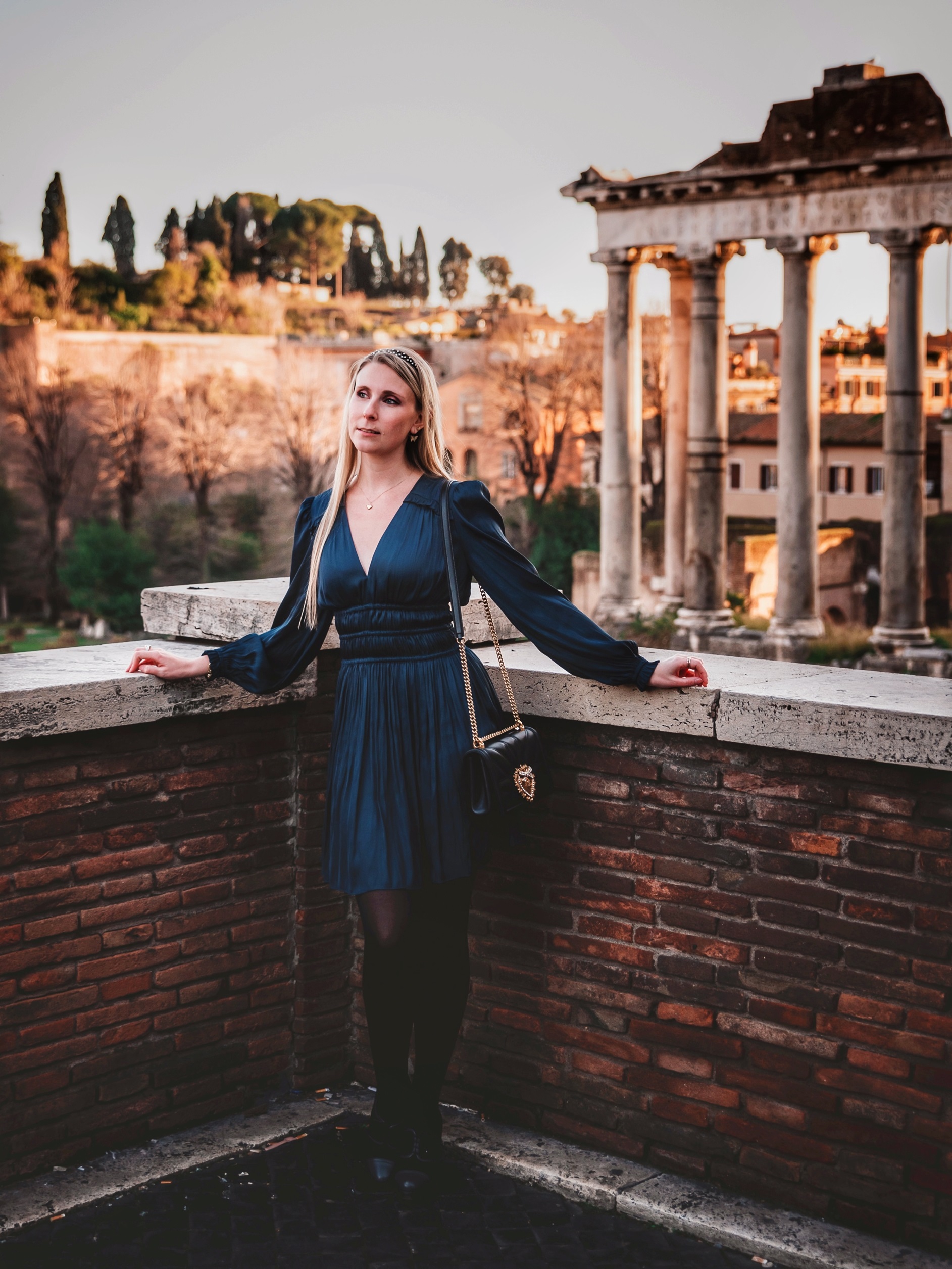
The Power of Perception: Dressing Like a Millionaire
One of the most empowering aspects of fashion is its potential to transform not just the way we look, but also the way we feel. Style certainly isn’t reserved for the wealthy or privileged! It’s accessible to anyone who understands how to use it.
This means that you don’t actually need to have a bulging bank account to dress like a millionaire. You just need to master the art of dressing with intention.
What does that mean? I’ll explain by using myself as an example:
- When I graduated from University I was left jobless, but lack of money never suffocated my passion for fashion and expressing myself through personal style.
- I was certainly not able to afford high-end designer labels, but I allowed my creativity to help me dress in a way that projected wealth, success, and confidence.
- I carefully chose well-fitted clothes, clean shoes, and paid attention to looking after everything I had. Even in fast fashion stores you can make durable, well-crafted finds! And never underestimate a second hand store.
- In terms of shoes and jackets I allowed myself to splurge, and it was worth it: when well looked after, such pieces can still look like new after 10 years!
- All of the above created an aura of affluence and confidence, which exude wealth. Even though I didn’t have a penny to spare in my name, which would indicate that fashion is a lie…
At the end of the day it’s all about the little details! Such things as wearing neutral colours, avoiding overly flashy patterns, and opting for classic, timeless cuts over trendy fads.
Find your Dream Dress from
Son de Flor
Appearance is still everything in the job market
If you think that looks don’t matter anymore in 2026, unfortunately you would be wrong. The culture around work is evolving much slower than culture in general, so the way you come across still matters in the job market.
Now, you don’t necessarily need to dress like a millionaire for a job interview, but you should consider standing out from the crowd. Without going all in with the fashion is a lie narrative, it would be wise to make sure your outfit exudes professionalism at the very least.
- A tailored jacket from a secondhand store
- shoes polished to perfection
- walk in with a straight back and a confident attitude.
That’s all it takes for a person to look ready to command a boardroom. It’s not the price tag of the clothes that matters; it’s how you wear them.
Don’t underestimate fashion as a tool
While fashion is a lie is a provocative statement, it totally presents the truth that fashion can be seen as a tool. A tool to build confidence by dressing well.
Just as I showcased ahead, a jobless person can present themselves as someone capable and put-together just by dressing well. It’s all about using one’s style to signal to the world that you are ready to succeed.
And that’s the key to unlocking all sorts of new opportunities in life. First impressions matter — and fashion is one of the most effective ways to shape that impression.

Millionaires in Rags: The Curious Case of the Ikea Founder
The funny thing about fashion being a lie is that it works both ways. You can present yourself as wealthier than you actually are, and then there are millionaires who dress like a homeless person. Like the founder of IKEA, Ingvar Kamprad.
It’s not a coincidence that such a frugal man created one of the most cost effective home-ware brands on the planet. He lived accordingly despite his immense wealth that the brand brought him:
- e drove a decades-old car
- flew in economy class
- wore clothes that looked far from luxury.
The positive side to this was that he could go about his normal life because nobody looked at him twice. Although he rarely agreed to leave his cabin of a home in the middle of the woods in Sweden.
This raises an interesting point, though: if fashion is a lie, could it be used to one’s own benefit? The truth is, for some wealthy individuals, there’s a certain appeal in rejecting outward displays of wealth. Whereas for others it can be essential to ‘look the part’ to get ahead in life.
And to be honest, when we see someone wearing clothes with very bold and attention-grabbing designer labels, we think the clothes are probably fake or the person has only recently made enough money to buy luxury brands and wants to show off. Very few actually rich people flaunt their wealth like that.
Fashion is a lie vs. Fashion is a form of self expression
However, this choice often reinforces the idea that fashion is not inherently about money. Kamprad’s decision to use the fashion is a lie narrative and dress down was as much a statement as someone dressing to impress.
He was making a point — that his success wasn’t tied to outward appearances. Luxury was not something he needed to display. The power in his decision was intentionality. He wasn’t wearing rags because he had no other choice; he was wearing them to underscore his values.
In a sense, this proves that fashion — or at least how we present ourselves — isn’t a lie, but rather a flexible narrative that we can control. Kamprad dressed how he wanted, to convey the message he believed in. He wasn’t pretending to be poor; he was expressing his disdain for waste and opulence.

Fashion as a Tool for Self-Expression
When we start to view fashion not as a lie, but as a tool for self-expression, the narrative changes entirely. Whether you are dressing up to elevate your appearance or dressing down to reflect your values, fashion becomes a language. It’s a way to communicate to the world who you are or who you want to be.
Me as a jobless graduate portraying something completely opposite with my style doesn’t mean that fashion is a lie. I still saw myself as a successful person despite my circumstances. A successful person lacking the opportunity to prove myself. My fashion choices were a projection of my values and self respect.
And more importantly, the way I dressed had a huge impact on how I felt! While shallowness should not be encouraged, there’s no denying that looks do matter. To our individual selves too! Dressing up nice while we’re having a bad day doesn’t fix the day but it makes us feel more confident that we’ll get through it alright.
One’s personal style can be a conscious decision to not let fashion define their success or lack of it, but instead let their values and achievements speak for themselves.
Final Thoughts: Fashion as a Canvas, Not a Falsehood
If fashion is a lie then most of us are liars. Instead, I’d like to look at fashion as a canvas. It allows us to paint the picture of how we want the world to perceive us.
And yes, while fashion can create illusions, it doesn’t mean those illusions are inherently dishonest. Rather, they are reflections of what we value, how we see ourselves, or how we wish to be seen.
Whether you’re a jobless individual dressing for success or a millionaire opting for minimalism, fashion is a choice. It’s a way to tell your story — whether you like it or not.
Because at the end of the day, people will always judge you according to the way you look. So, make sure your style is rather a favour to you and your aspirations than a hindrance. ♥
Follow me on Instagram and use #styleoutlandish to showcase your style! I’m always on the lookout for outfit inspiration. Get to know me better by listening to my podcast, Random Rambles. If you wish to work with me, check out my services here!