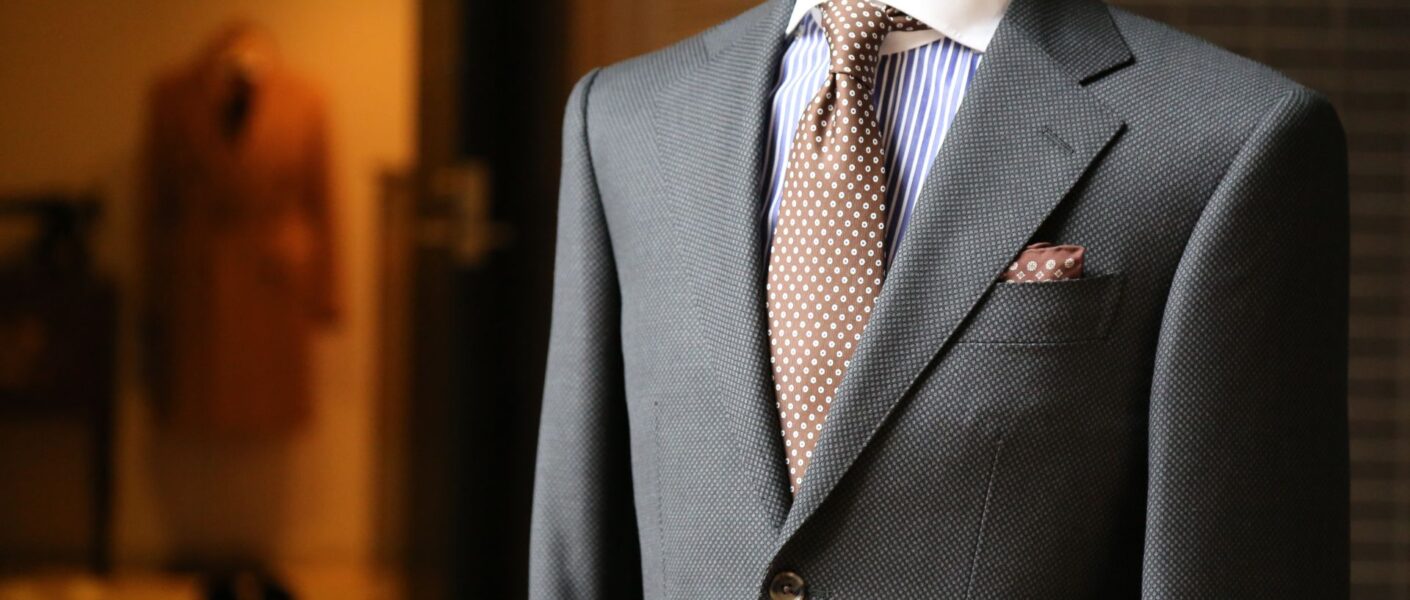
The colors a man chooses for his suits communicate far more than personal taste. Seasonal colors directly shape modern suit decisions because they affect how appropriate, comfortable, and stylish a suit appears throughout the year. Lighter shades work better in warmer months while darker tones suit colder seasons, but the reasoning goes beyond simple tradition.
Modern professionals face a challenge that previous generations never encountered. They need suits that look current and polished while also adapting to changing weather, different occasions, and evolving style norms. The right color choices help solve this problem naturally.
Understanding how seasonal palettes influence suit selection gives men a practical advantage. This knowledge helps anyone build a wardrobe that stays relevant and functional across all twelve months. The connection between color, season, and style creates opportunities to look sharp without overthinking every outfit decision.
The Role of Seasonal Colors in Modern Suit Selection
Seasonal color theory guides modern suit selection by linking specific hues to times of year, while fabric choices and contemporary trends reflect both traditional palettes and bold new directions in menswear.
Understanding Seasonal Color Theory
Seasonal color theory divides the year into four distinct palettes that correspond with spring, summer, fall, and winter. Each season carries its own set of colors based on temperature, brightness, and intensity. Spring features warm, light tones like coral and soft greens. Summer brings cool, muted shades such as powder blue and lavender.
Fall introduces rich, warm colors including burgundy, olive, and burnt orange. Winter showcases cool, vivid hues like charcoal, navy, and pure white. This framework helps men choose suit colors that complement their natural coloring and the environment around them.
The theory extends beyond personal coloring to include situational appropriateness. A man who invests in custom tailored suits in NYC benefits from understanding how seasonal palettes affect professional and social settings.
Lighter colors work better for daytime spring events, while deeper tones suit winter business meetings. The seasonal approach simplifies color selection by providing clear guidelines rather than overwhelming options.
Impact of Seasonal Palettes on Fabric Choice
Fabric selection directly responds to seasonal color needs and climate requirements. Lightweight materials like linen and cotton appear in spring and summer suits, and these fabrics naturally accommodate lighter color palettes. The weave of summer fabrics allows brighter colors to breathe and reflect heat rather than absorb it.
Fall and winter suits use heavier fabrics such as wool, tweed, and flannel. These materials hold deeper, richer colors more effectively. A charcoal flannel suit displays its depth through the fabric’s texture, while a navy tweed shows variation in tone through its weave pattern.
Color and fabric work together to create seasonal appropriateness. Tan linen feels right for June, while the same color in heavy wool seems out of place. Men who understand this relationship make smarter purchases and avoid suits that look wrong for the weather. Fabric weight affects how color appears on the body, with heavier materials creating more shadow and visual depth.
Popular Seasonal Color Trends in Contemporary Fashion
Modern suit trends push beyond traditional seasonal boundaries while still respecting core color principles. Electric blues have gained popularity as a year-round option that works particularly well in spring and summer settings. This bold choice replaces standard navy in less formal business environments.
Earth tones dominate fall collections, with olive green and rust becoming alternatives to brown and tan. These colors appeal to men who want seasonal appropriateness without traditional formality. Winter suits now include burgundy and forest green alongside standard grays and blacks.
Contemporary fashion also embraces pattern as a way to incorporate multiple seasonal colors. Subtle checks and windowpane patterns allow a single suit to shift between seasons based on shirt and tie combinations. This versatility matters for men who need maximum utility from their wardrobe. The trend toward bold, personality-driven choices means seasonal colors now serve as starting points rather than strict rules.
Style Strategies for Incorporating Seasonal Colors
Suit wearers can refresh their professional wardrobes through strategic accessory choices, event-appropriate color selections, and personalized approaches that align with the changing seasons. These methods allow for modern style updates without the need to replace entire suit collections.
Adapting Suit Accessories to Seasonal Color Changes
Accessories offer the most practical entry point for seasonal color updates. A navy or charcoal suit serves as a neutral foundation that pairs well with different seasonal accent pieces throughout the year.
Spring calls for ties in soft pastels like blush pink, mint green, or sky blue. Pocket squares in floral patterns or light cotton fabrics add subtle seasonal references. Lighter brown leather shoes replace heavy winter black oxfords.
Summer accessories lean toward brighter expressions. Linen pocket squares in coral, turquoise, or sunshine yellow complement warm-weather suits. Tan or light walnut leather accessories keep the overall appearance fresh. Knit ties in sage green or powder blue work well for business casual settings.
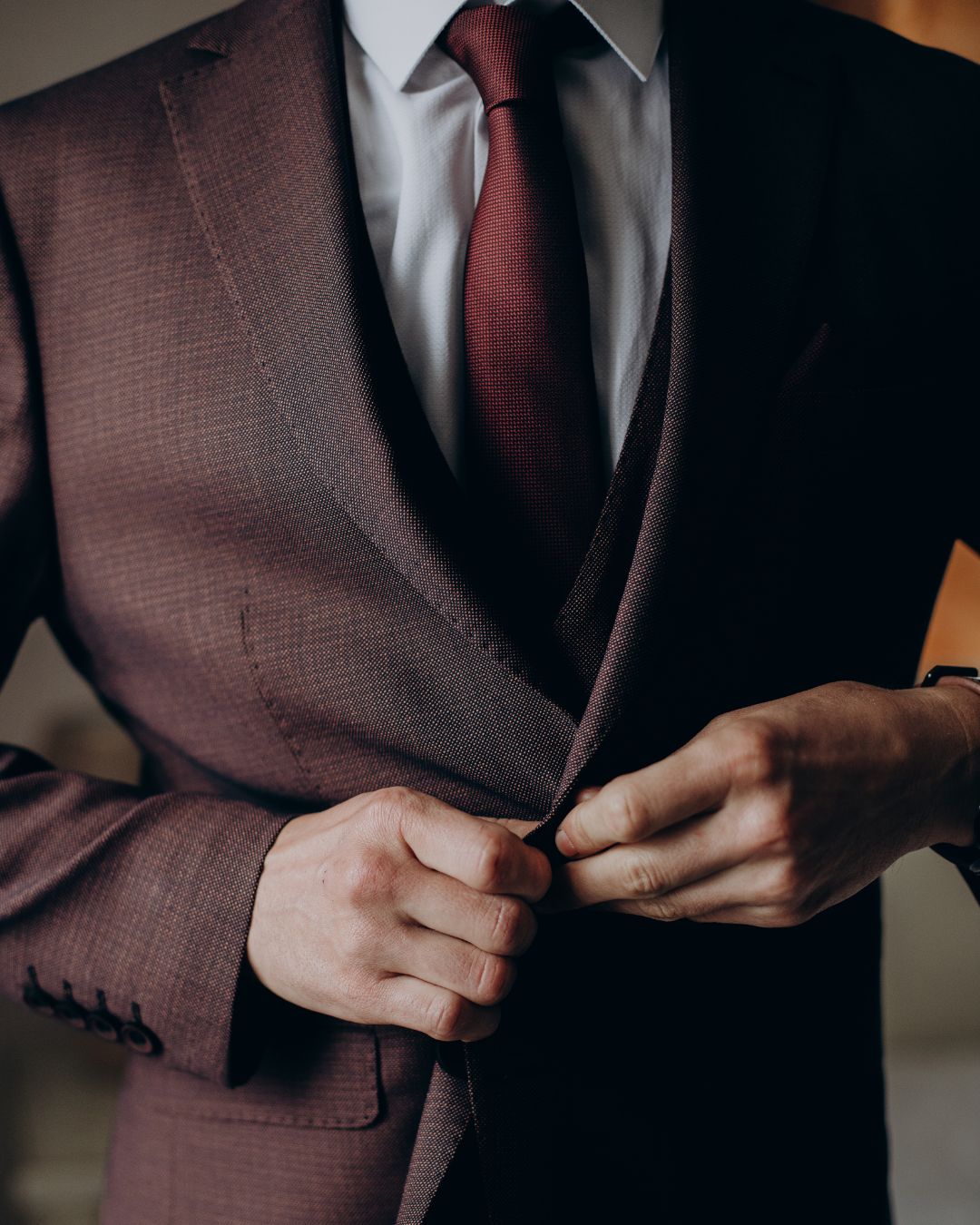
Fall brings richer accessory tones. Burgundy, rust, and forest green ties pair naturally with gray and brown suits. Wool pocket squares in deeper hues add texture and warmth. Darker brown leather belts and shoes ground the seasonal palette.
Winter accessories favor jewel tones and deep neutrals. Silk ties in emerald, sapphire, or deep plum create striking contrasts against classic suit colors. Cashmere scarves in charcoal or camel provide both function and style.
Matching Suits with Seasonal Events and Occasions
Different events throughout the year call for specific color considerations. Spring weddings and outdoor ceremonies favor lighter suit tones like tan, light gray, or soft blue. These colors photograph well in natural light and feel appropriate for daytime celebrations.
Summer corporate events allow for more relaxed color choices. Lighter weight suits in stone, khaki, or pale gray maintain professionalism in warm weather. Garden parties and outdoor functions benefit from suits in natural tones that complement outdoor settings.
Fall conferences and business meetings see a return to traditional suit colors with seasonal depth. Charcoal suits with subtle brown undertones or navy with hints of forest green align with autumnal settings. The change in natural light makes these deeper shades appear more refined.
Winter galas and formal events call for classic suit colors in their richest forms. Deep navy, true black, and dark charcoal convey sophistication for evening occasions. Holiday parties allow for subtle seasonal touches through accessories rather than suit color changes.
Professional speakers and presenters should consider how suit colors appear under different venues and seasons. Lighter colors work better for spring and summer outdoor events, while deeper tones photograph better in fall and winter indoor settings.
Expert Tips for Personalizing Suit Colors Throughout the Year
Personal coloring plays a major role in seasonal suit selection. Those with warm undertones look best in suits with brown, olive, or golden bases regardless of season. Cool undertones pair better with blue-based grays and true navy throughout the year.
Start with two versatile suits that work across seasons. A medium gray and a navy suit form a foundation that adapts to any seasonal accessory change. This approach saves money while still honoring seasonal color shifts.
Test suit colors in natural light before purchase. Store lighting can distort how colors appear in actual wear situations. Step outside to see how the fabric looks in daylight conditions.
Consider fabric texture as part of color strategy. A navy flannel suit appears darker and richer than navy tropical wool. The same color reads differently based on material weight and finish.
Build a seasonal accessory rotation system. Four ties, two pocket squares, and one pair of shoes per season creates variety without excess. This targeted approach keeps the wardrobe current and manageable.
Pay attention to regional climate patterns. Southern locations may skip heavy fall colors entirely, while northern areas extend winter color preferences. Adjust seasonal timing based on local weather patterns rather than calendar dates.
Conclusion
Seasonal colors play a real role in how men select and wear suits throughout the year. Lighter shades work best for spring and summer because they reflect heat and match brighter natural light. Darker tones suit fall and winter months as they absorb warmth and complement the season’s muted atmosphere.
The right color choice helps a man look appropriate for both the weather and professional settings. Understanding these seasonal shifts allows for smarter wardrobe decisions that balance style with comfort across all twelve months.