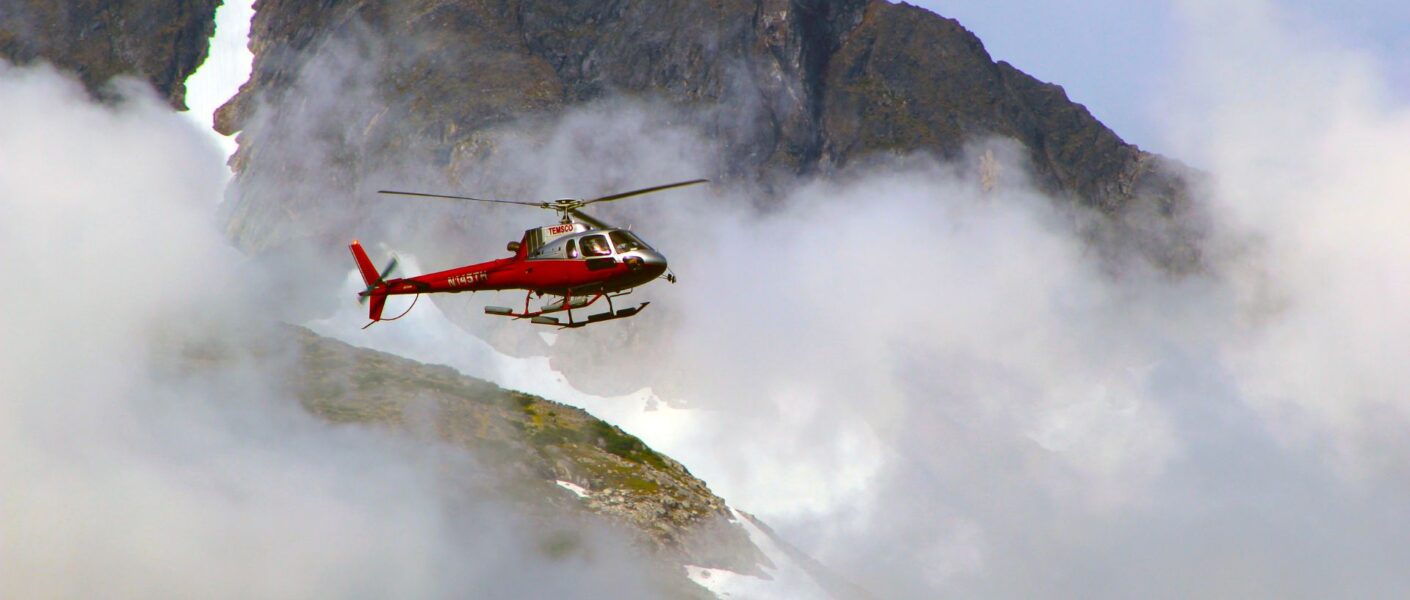
Learning to fly a helicopter allows you to fly over beautiful landscapes and provides a special thrill. Plenty of aspiring pilots will ask how long they need to commit to becoming one. Knowing the steps and potential variables can allow for more definitive expectations and clarify the road for the next generation of aviators.
Understanding the Basics
Before starting flight training, it is necessary to be aware of how long does it take to get a helicopter license. It is also crucial to know the various helicopter licenses. There are two main types of licenses: the Private Pilot License (PPL) and the Commercial Pilot License (CPL). All serve different roles and have various levels of difficulty and dedication.
The Private Pilot License enables pilots to fly helicopters for recreational purposes. Holders of this license may not be compensated for flying. On the other hand, the CPL allows you to fly for remuneration and can be utilized to embark on a career in the tourism, emergency services, and transportation sectors, to name just a few.
Training Requirements
Obtaining a license to fly a helicopter requires both ground school and hours in the air. Ground school covers topics like aerodynamics, navigation, weather, and regulations. Understanding this fundamental knowledge is essential for safe and efficient flying.
Hands-on flight training is a given, ensuring students know how to fly the chopper. It will encompass everything from take-off and landing through hover and other basic maneuvers. Hands-on skills are honed from formal instruction and independent flight time in the cockpit.
Private Pilot License Timeline
The minimum number of flight hours needed to get a private pilot license is 40. However, most students take more than this number of hours to achieve competence. Typically, students log 50 to 70 hours of flight time. Ground school normally consists of 20 to 30 hours and can be done online or in a traditional setting.
Completing a PPL will take different timeframes depending on weather conditions, how often you can fly, and how quickly you learn the material. Most part-time training students complete their training within six months to a year. For full-time trainers, the process may take around three to four months.
Time Frame to Gain Your Commercial Pilot License
However, things are very different if you wish to obtain a Commercial Pilot License. To get a CPL, you must log a minimum of 150 flight hours. This even includes time logged while being a private pilot. You are also taught more advanced maneuvers, emergency procedures, and instrument flying.
CPL ground school teaches much deeper lessons that groom pilots to be subject to the high standards required in commercial flying. Depending on how many times a week a student trains, this stage is usually completed within 6 months to a year.
What Causes the Timeline to Change
Many elements can affect how long it takes to earn your helicopter license. Plus, weather can wreak havoc on the plans since all flight training happens in the air; adverse conditions can cause cancellations, as mentioned above, which can also extend training times. However, the individual schedules and obligations of class participants can also affect the pace of student advancement.
The financials also influence training times in other areas. Flight training is a significant investment; some students are pacing their training according to their budget. You can minimize delays if you have budgeted for training expenses.
Picking the Proper Flight School
Choosing a flight school that is perfect for you is one of the most crucial prerequisites for practical training. Before looking at schools, students might want to consider school location, like Miami, cost, and instructor experience. Site visits and talking to current students are always helpful.
Besides this, schools get accredited and thus gain the proper reputation. The schools are held to high standards when getting accreditation and can provide quality training. The school’s reputation in the aviation community can give you an idea of the quality of the instructional experience and the level of support students get.
Juggling Training Around Life
Many students who want to become pilots find it easier to schedule training around their personal and professional commitments. Good time management and proper communication with their instructors can encourage students to keep their momentum going. Realistic goals and a constant pace lead to slow and steady progress.
Having support from family and friends can also help you. The support and understanding from your loved ones can help motivate you in training and reduce stress.
How Committed Are You?
Obtaining a helicopter license takes dedication and persistence. Whatever the reason, students must keep up with their training process against all odds. Practice matters, but what matters even more is a real passion for flying.
A good attitude and seeing challenges as learning opportunities will improve the training. Acknowledgment of milestones and progress can also maintain motivation and raise morale.
Wrapping Up
Gaining a helicopter license in the United States is an intricate balance of time, dedication, and funds. Although this will vary from person to person, making each journey unique, knowing what is needed and setting the right expectations can help ensure that your experience will be fulfilling rather than frustrating. While it may take some work, with a little determination and solid planning, future pilots will one day experience themselves becoming airborne for the first time as skilled and competent pilots.