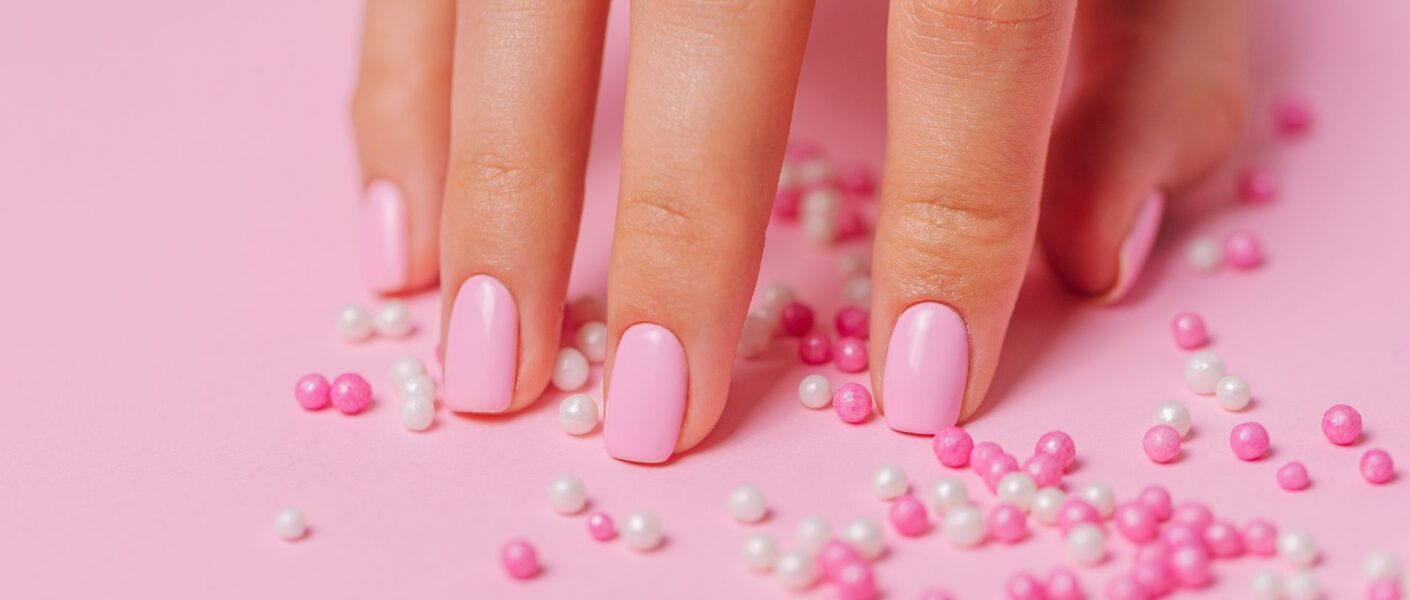
Many people want beautiful nails without spending hours or large amounts of money at the salon. Between press-on nails and gel manicures, both promise a polished, long-lasting look, but they differ in cost, time, and upkeep. Press-on nails offer a faster, more affordable way to achieve salon-quality results at home, while gel manicures provide longer wear and a professional finish.
Press-on ones appeal to those who like easy application and flexibility. They can be applied in minutes, removed without damage, and reused for different styles. Gel manicures, on the other hand, suit those who prefer a durable option that resists chips for weeks, though the process requires more time and care.
This comparison explores how each method affects nail health, convenience, and overall value. By understanding their key differences, anyone can decide which option fits their lifestyle and beauty routine best.
Key Differences Between Press-On Nails and Salon Gel Manicures
Press-on nails and salon gel manicures both create a polished look, but they differ in time, cost, and upkeep. Press-ons suit quick, affordable style changes, while gels provide longer wear and a professional finish. Each offers distinct benefits for convenience, durability, and personal style preferences.
Application Process and Convenience
Press-on nails are ready to use straight from the package. They attach with glue or adhesive tabs in about ten minutes. The process requires no curing light or drying time, which makes them ideal for people who want salon results at home.
Salon gel manicures take longer. A technician applies several layers of gel polish and cures each layer under UV or LED light. The process can take 45 minutes or more, depending on design complexity.
Press-ons are easy to remove with warm water or oil, while gels need soaking in acetone. People who prefer flexibility or frequent style changes often shop press on nails online for convenience and variety. Gels, however, appeal to those who enjoy the salon experience and professional care.
Durability and Longevity
Gel manicures last about two to three weeks without chipping. The hardened gel layer resists wear from daily tasks. However, removal can weaken natural nails if done improperly.
Press-ons usually last 7 to 10 days with proper prep and glue. They can lift sooner if nails are oily or exposed to water often. Some sets are reusable, which adds value for people who like to rotate designs.
For short-term events or vacations, press-ons provide enough durability. Gels remain the better choice for long-lasting polish and consistent shine. Both methods depend on nail prep and daily habits, such as limiting contact with harsh cleaners.
Cost Comparison and Value
Press-on nails cost about $10 to $25 per set. They offer a budget-friendly way to try new looks without salon visits. Since many sets can be reused, the cost per wear stays low.
Salon gel manicures usually range from $50 to $100 per visit. Maintenance every few weeks adds up, but the results last longer. People who prefer a professional finish may find the expense worthwhile.
Press-ons also save travel time and tipping costs. Online stores provide frequent discounts and seasonal designs, which make them accessible for regular updates. Gels, however, deliver a durable finish that justifies the higher price for those who value longevity.
Aesthetics and Customization
High-quality press-ons now mimic the look of salon nails. They come in various shapes like almond, coffin, or square, with finishes such as chrome or ombré. Many brands offer pre-painted sets that look natural and glossy.
Gel manicures allow full customization. A technician can mix colors, add art, or adjust nail length precisely. The polish cures to a smooth, glass-like surface that stays shiny for weeks.
Press-ons let users experiment with trends quickly. They can switch colors or designs anytime without damage. Gels provide a more sculpted appearance and professional precision. Both achieve a clean, polished look suited to different routines and budgets.

Nail Health and Care Considerations
Both press-on nails and salon gel manicures affect nail health in different ways. The materials, removal methods, and daily care habits determine how well natural nails stay strong and smooth over time.
Impact on Natural Nails
Press-on nails usually cause less stress to natural nails because they do not require harsh chemicals or buffing before application. Most press-ons attach with gentle adhesive or glue tabs, which help preserve the nail surface. In contrast, gel manicures often need filing and UV curing, which can thin the nail plate after repeated use.
Gel polish may also trap moisture or bacteria under the coating if not applied properly. This can lead to peeling or brittle nails. Press-ons, however, allow natural nails to breathe between uses, which helps maintain normal strength and flexibility.
For people with weak or peeling nails, press-ons can serve as a protective layer. They offer a temporary barrier that prevents nail biting or breakage while the nails grow out.
Removal Process and Potential Nail Damage
The removal process plays a major role in nail health. Gel manicures require an acetone soak to break down the polish. Prolonged exposure to acetone can dry the nail bed and surrounding skin, leading to thinning or splitting. Scraping off leftover gel may also cause surface damage.
Press-on nails come off more gently. Soaking them in warm water or using nail oil loosens the adhesive without stripping the nail’s natural layers. This method reduces the risk of tearing or weakening the nail plate.
However, poor removal habits can still cause harm. Pulling or prying press-ons off may lift layers of the natural nail. Patience and softening products, such as cuticle oil, help protect the nail’s surface and keep it smooth after removal.
Tips for Maintaining Nail Health
Good nail care supports both appearance and strength. Regular use of cuticle oil keeps nails flexible and prevents dryness caused by glue or polish remover. Moisturizing the hands after washing also protects the nail bed from cracking.
Between manicures, nails should rest for a few days. This allows natural oils to restore balance. Trimming and gentle filing help prevent snags or uneven edges.
A balanced diet rich in protein, biotin, and minerals supports steady nail growth. Avoiding harsh chemicals and using gloves for cleaning tasks further protects nail health. With consistent care, both press-on and gel users can maintain strong, healthy nails.
Conclusion
Press-on nails give people a fast, low-cost way to refresh their look at home. They suit those who want flexibility, short wear times, and easy removal without much effort.
Gel manicures, however, last longer and offer a smooth, professional finish that stays intact for weeks. They cost more and require salon visits, but they deliver stronger durability.
Each method serves different needs. Press-ons fit busy schedules and smaller budgets, while gels suit those who value long wear and salon-quality results. The best choice depends on personal habits, time, and style preferences.